


Flavors of Gaziantep
Farm to Table: Anatomy of the Product
Its Story
It is a traditional dish prepared using roasted eggplant, strained yogurt, garlic, and mutton. It is especially popular in the summer months and is one of the most well-known dishes of Gaziantep cuisine.
Geographical Origin
Gaziantep, Türkiye
Ingredients / Steps
Eggplant → Harvest → Roasting → Peeling & Mincing Yogurt → Straining → Blending with Garlic Lamb Meat → Cubed, Minced → Sautéing → Seasoning Combination → Roasted Eggplant + Garlic Yogurt + Lamb Meat Final → Touch of Butter → Gaziantep Alenaziği
How It Is Made
For the preparation of Gaziantep Alenaziği (Antep Alenaziği), seedless eggplants are preferred. The eggplants are roasted by turning them on all sides for 10-15 minutes, depending on the oven's temperature, then peeled and finely chopped. Pre-salted hand-minced meat (zırh kıyması) or cubed meat is skewered onto square or flat kebab skewers that fit the grill. They are cooked over a dying (low-ember) charcoal fire by turning them in the same direction. Garlic is added to strained yogurt according to taste and mixed. The roasted eggplants are placed in a tinned copper dish (sahan), the strained yogurt mixture is added on top, and it is lightly heated over low heat. The minced or cubed meat kebab cooked on the grill is placed on top, and it is served with clarified butter or butter infused with ground red pepper poured over it.
Registration Information
Geographical Indication — File No: C2019/211, Application Date: 16.12.2019, Registration No: 748, Registration Date: 04.05.2021, Status: Registered, Applicant / Registering Authority: Gaziantep Metropolitan Municipality
Producers

It has been registered by the Gaziantep Metropolitan Municipality.
Its Story
It is a traditional meat and rice dish. According to records, the first beyran shop in the Gaziantep bazaar opened in 1885.
Geographical Origin
Gaziantep, Türkiye
Ingredients / Steps
Mutton → Shoulder & Neck → Preparation with Marrow Bones Meat & Bones → Soaking in Water → Boiling in a Copper Cauldron Tail Fat / Internal Fat → Onion & Lemon → Simmering on Low Heat for 10–12 Hours Meat → Shredding → Rice → Plain Rice (Kel Pilav) Combination → Plain Rice + Shredded Mutton + Garlic + Red Pepper Flakes + Meat Broth Final → High Heat → Copper Sahan → Hot Service → Antep Beyranı
How It Is Made
Antep Beyranı (serves 4) is prepared using 1–1.2 kg bone-in lamb (preferably shoulder and neck), 250–300 g marrow bones, 30 g lamb fat, 1 onion, 1 lemon, 200–240 g rice, 4–6 cloves of garlic, 20–30 g red pepper flakes, 6–10 g black pepper, and 10–12 g salt. The lamb and bones are soaked in cold water for 1–3 hours, changing the water several times. They are then covered with water and brought to a boil. The foam that forms on the surface is skimmed off. Lamb fat, the whole onion, lemon, and salt are added, and the mixture is simmered over low heat for approximately 10–12 hours. Once cooked, the meat is removed from the bones and shredded into thin fibers. The broth is strained and kept hot. The rice is boiled in water without oil or salt until slightly firm, then drained. This plain boiled rice is traditionally known as “kel pilav” in Gaziantep. To serve, a portion of rice, 50–70 g of shredded lamb, and optionally 10–15 g of melted lamb fat are placed in a copper serving pan. Crushed garlic, red pepper flakes, and black pepper are added, followed by hot meat broth. The pan is briefly brought to a boil over high heat, and Antep Beyranı is served piping hot. Lemon juice may be added according to preference.
Registration Information
Geographical Indication — File No: C2015/020, Application Date: 08.05.2015, Registration No: 207, Registration Date: 13.01.2017, Status: Registered, Applicant / Registering Authority: Gaziantep Metropolitan Municipality
Producers

It has been registered by the Gaziantep Metropolitan Municipality.
Its Story
Bulgur has been consumed since ancient times as one of the world's first processed food products. Archaeological findings show that its production dates back to 4000 BC and originated in the Eastern Mediterranean region. Gaziantep is the center of bulgur processing technology.
Geographical Origin
Gaziantep, Türkiye
Ingredients / Steps
Hard Wheat → Harvest → Cleaning & Washing Wheat → Boiling in Hot Water → Hedik (Boiled Wheat) → Drying Tempering → 15–20 Minutes → Moisturization → Dehulling Cracking → Tempering → Polishing → Shiny Yellow Appearance Sorting → For Pilaf (Pilavlık) → For Meatballs (Köftelik) → Fine Bulgur (Simitlik) → Packaging Final → Production in Gaziantep → Antep Bulguru
How It Is Made
It consists of the stages of cleaning, washing, cooking, drying, tempering, dehulling, cracking, secondary tempering, polishing, sorting, and packaging.
Registration Information
Geographical Indication — File No: C2017/017, Application Date: 16.03.2017, Registration No: 289, Registration Date: 25.12.2017, Status: Registered, Applicant: Gaziantep Ticaret Borsası
Producers

It has been registered by Gaziantep Commodity Exchange
Its Story
It is wheat smoked over fire in the field while still green and before fully ripening, without removing its husks. It is a regional product with a green-brown color, resembling bulgur and rice, featuring a distinctive smoky taste and aroma. It has been produced in the Gaziantep region for centuries.
Geographical Origin
Gaziantep, Türkiye
Ingredients / Steps
Durum Wheat → Harvesting Before Full Ripening → Green Spike Green Wheat → Olive Branch / Grapevine Wood Fire → Burning & Smoking Burning → Cooling → Drying in the Shade Winnowing in the Wind → Separation from Burned Parts → Cleaning Shade & Wind → Drying → Approx. 15% Moisture → Sorting Final → Coarse Freekeh / Fine Freekeh → Antep Firiği
How It Is Made
Harvest (at 35-50% moisture, green wheat) → Drying in the shade → Burning in a gentle wind (with olive and grape wood) → Separating in the wind → Drying in the shade (down to 15% moisture) → Sorting
Registration Information
Designation of Origin — File No: C2017/007, Registration No: 244, Application Date: 18.01.2017, Registration Date: 24.11.2017, Status: Registered, Applicant: Gaziantep Ticaret Borsası
Producers

It has been registered by Gaziantep Ticaret Borsası.
Its Story
It is a traditional dessert prepared by mixing sugar with early-harvest Antep Fıstığı known as 'Boziç' in specific proportions. It is unique to the Gaziantep province and has been produced for many years.
Geographical Origin
Gaziantep province, Türkiye
Ingredients / Steps
Antep Fıstığı → Early Harvest → Boziç Boziç → Separation of Full and Empty Kernels → Drying Drying → Shelling → Pistachio Kernel → Grinding & Sifting Sugar + Water → Boiling → 118°C Syrup Combination → Ground Pistachio + Syrup → Cooling & Kneading on Marble Final → Shaping → Cutting → Antep Fıstık Ezmesi
How It Is Made
Early harvest pistachios are cleaned with cold water, dried, and shelled. The pistachio kernels are ground into fine particles in a mill. Sugar and water are boiled at a 2/1 ratio to reach 118°C, mixed with the pistachios, poured onto marble to cool, kneaded by hand, and sliced.
Registration Information
Indication of Geographical Origin — File No: C2017/004, Application Date: 23.01.2017, Registration No: 237, Registration Date: 20.11.2017, Status: Registered, Applicant: Gaziantep Ticaret Borsası
Producers

It has been registered by Gaziantep Ticaret Borsası.
Its Story
It is a type of embroidery practiced by the local people in the Gaziantep region. It is divided into two categories: Antique Antep İşi (with white/cream fabric) and Colored Antep İşi (with multi-colored threads). Formed by counting and pulling fabric threads, thread-drawing techniques, and satin stitch works, this type of embroidery features a non-raveling characteristic.
Geographical Origin
Gaziantep, Türkiye
Ingredients / Steps
Fabric → Thread Counting → Placing the Fabric on the Embroidery Frame Thread Pulling → Cutting & Pulling Threads → Pattern Base Thread → Wrapping with a Needle → Openwork / Susma / Mushabak Pattern → Processing the Motifs → Antep İşi Edge Processing → Edge Cleaning → Reinforcement Final → Ironing → Traditional Antep İşi
How It Is Made
Completely handmade: placing the fabric on the embroidery frame, pulling threads in the cross direction, stitching with needle and thread techniques (lentil, liver-piercer, cemelyan, spider, snowball, chitime, almond openwork, susma/mushabak), edge cleaning, and ironing.
Registration Information
Indication of Geographical Origin — File No: C2012/064, Application Date: 24.04.2012, Registration No: 200, Registration Date: 06.12.2016, Status: Registered, Applicant: Gaziantep'i Geliştirme Vakfı
It has been registered by Gaziantep Development Foundation
Its Story
It is a dessert mentioned in the Dede Korkut tales and constitutes an important element of Gaziantep cuisine. In Gaziantep, it is consumed on special occasions and at breakfast, and is traditionally sent to the bride's home after the wedding. It has been produced in Gaziantep since the 1400s.
Geographical Origin
Gaziantep, Türkiye
Ingredients / Steps
1. Wheat Flour → Water + Salt → Kneading → Dough 2. Dough → 160–180 g Ball → Oiling → Resting (8–10 hours) 3. Dough → Rolling & Stretching → Approx. 140 cm → Thinly Stretched Dough 4. Assembly → Pistachios + Clarified Butter + Sugar + *Sahan* Clotted Cream 5. Folding → Square Envelope Shape → Oven (200°C) → Baking (7–10 minutes) 6. Final → Square / Shuttle Cut → Serving → Antep Katmeri
How It Is Made
Dough prepared from wheat flour, water, and salt is allowed to rest in a cool place. Rolled out by hand and with a rolling pin, the dough is filled with Antep Fıstığı, butter, beet sugar, and *sahan* clotted cream. It is folded into a square envelope shape and baked at 200°C for 7–8 minutes.
Registration Information
Indication of source — File No: C2015/010, Application: 23.01.2015, Registration No: 264, Registration Date: 07.12.2017, Status: Registered, Applicant: Gaziantep'i Geliştirme Vakfı
It has been registered by Gaziantep Development Foundation
Its Story
It is a special cookie containing spices, traditionally made in Gaziantep especially during Ramadan Feasts. The product was brought from Aleppo in the early 1900s, originally made to encourage children to love fasting. Its most distinctive feature is that it is produced with chickpea yeast.
Geographical Origin
Gaziantep
Ingredients / Steps
Chickpea → Cracking → Flour + Water + Salt → 15–16 Hours Fermentation Chickpea Yeast → Active Yeast Foam → Pre-Chickpea Yeast → 2–3 Hours Resting Pre-Yeast → Flour + Water → Pre-Dough → Fermentation & Resting Main Dough → Sugar + Sesame + Semolina + Cream + Spices → Kneading & Resting Shaping → 17 g Pieces → Ring Shape → Egg-Washing → 2 Hours Resting Final → 180°C Oven → Baking for 20–25 Minutes → Antep Köy Kahkesi
How It Is Made
It consists of the stages of making chickpea yeast, preparing the pre-chickpea yeast, obtaining the pre-dough, preparing the main dough, shaping and egg-washing, and baking at 180°C for 20-25 minutes.
Registration Information
Indication of Geographical Origin — File No: C2017/059, Application Date: 14.07.2017, Registration No: 291, Registration Date: 25.12.2017, Status: Registered, Applicant: Gaziantep Ticaret Borsası
Producers

It has been registered by Gaziantep Commodity Exchange
Its Story
It is a traditional Gaziantep dessert, especially made during holidays, which is why it is also known as "holiday cookie". It can maintain its freshness in a cool and dry place for a month.
Geographical Origin
Gaziantep
Ingredients / Steps
Hard Wheat → Harvest → Semolina & Flour Antep Fıstığı → Early Harvest → Boziç (Early-Harvest Pistachio) → Sorting & Grinding Şanlıurfa Clarified Butter (Sadeyağ) + Sugar → Whipping → Semolina + Flour → Kneading Combination → Boziç Pistachio → Plain / Pistachio Dough Shaping → Crescent / Short Roll → Arranging on Tray Final → 220°C Oven → 15–20 Minutes → Antep Kurabiyesi
How It Is Made
Şanlıurfa clarified butter and sugar are whipped, semolina and flour are added. For the plain variety, boziç (early-harvest pistachio) is placed on top of the dough, while for the pistachio variety, grated pistachio is added to the dough. It is baked at 220°C for 15-20 minutes.
Registration Information
Indication of Geographical Origin — File No: C2018/049, Application Date: 12.02.2018, Registration No: 433, Registration Date: 18.06.2019, Status: Registered, Applicant: Gaziantep Ticaret Borsası
Producers

It has been registered by Gaziantep Commodity Exchange
Its Story
It is a traditional dried vegetable recognized as one of the richest local products of Gaziantep cuisine, mentioned as "Balcan dolması" (dried eggplant dolma) in the "Yemek Risalesi" (Treatise on Food) written in the 18th century. It is a product with a light color, thin flesh thickness, and a soft texture after cooking.
Geographical Origin
Gaziantep Province (Oğuzeli, Nizip, Karkamış and Araban districts)
Ingredients / Steps
Eggplant → August–September Harvest → Washing Eggplant → Cutting in Half → Hollowing Out Preparation → Stringing in Batches of 50 → Threading onto Ropes Drying Area → Hanging on Racks → Wind & Shade Natural Drying → 3–4 Days → Soft Structure & Light Color Final → Dried Eggplant → Antep Kuruluk Patlıcanı
How It Is Made
Eggplants harvested in August–September are washed, cut in half, and hollowed out. Strung on ropes in batches of 50, they are dried within 3–4 days using the natural drying method in windy and shaded areas.
Registration Information
Designation of Origin — File No: C2017/031, Application Date: 24.04.2017, Registration No: 376, Registration Date: 14.08.2018, Status: Registered, Applicant: Gaziantep Ticaret Borsası
Producers

It has been registered by Gaziantep Commodity Exchange
Its Story
It is a type of atlas fabric produced and used in Gaziantep for centuries, typically woven with a warp-satin or plain weave structure, featuring vertical striped patterns. Its warp is fine silk, and its weft is a mixture of cotton and silk. Based on the number of warp threads, it is divided into three categories: kutnu fabric, meydaniye kutnu fabric, and alaca kutnu fabric.
Geographical Origin
Gaziantep province
Ingredients / Steps
Warp Yarn → Unravelling → Winding on Devere → Skein (Şak) Skein → Dyeing → Tie-Dye (Batik) → Colored Warp Warp → Sizing → Manual Opening & Combing → Kavuk (Spooling Drum) → Resting Warp → Drawing-in → Reeding → Preparing for the Loom Weft Yarn → Cotton → Sizing → Winding onto Bobbin Combination → Warp + Weft → Weaving → Antep Kutnu Kumaşı Final → Annealing & Sizing → Calendering → Pressing in Mangle → Antep Kutnu Kumaşı
How It Is Made
It consists of the processes of unravelling, dyeing process (including tie-dye technique), mezek process, preparation before drawing-in, drawing-in, preparation of weft yarn, weaving process, and finishing process (annealing, sizing, calendering, mangling).
Registration Information
Indication of Geographical Origin — File No: C2015/009, Application Date: 19.01.2015, Registration No: 199, Registration Date: 25.08.2016, Status: Registered, Applicant: Gaziantep'i Geliştirme Vakfı
It has been registered by Gaziantep Development Foundation
Its Story
It is a paste-like coffee substitute obtained by roasting and grinding wild menengiç (terebinth) growing in the mountainous areas of Gaziantep Province. It is caffeine-free and has a high fat content. It has been produced in Gaziantep since the 1600s; according to a rumor, it was offered to Murad IV during his Baghdad Expedition.
Geographical Origin
Gaziantep province
Ingredients / Steps
Menengiç → October–November Harvest → Green-Blue Fruits Harvest → Washing → Sun-Drying Drying → Roasting → Brown Color Roasting → Pounding / Grinding in Stone Mill → Paste Consistency Paste → Glass Jar → Mixing & Homogenizing → Combining with Milk Final → Cooking over Low Heat → Lidded Copper Cup → Antep Menengiç Kahvesi
How It Is Made
Fruits are harvested in October–November, sun-dried, roasted, pounded, or ground in a stone mill. It is processed until it reaches a paste consistency and placed into glass jars. During consumption, it is cooked by mixing with milk.
Registration Information
Designation of Origin — File No: C2017/122, Registration No: 627, Application Date: 17.08.2017, Registration Date: 16.12.2020, Status: Registered, Applicant: Gaziantep Metropolitan Municipality
Producers

It has been registered by the Gaziantep Metropolitan Municipality.
Its Story
It is a sherbet obtained by using licorice root (Glycyrrhiza glabra L.) and prepared with the addition of cinnamon, cloves, and rose water. In Gaziantep, it is especially consumed during the summer months, religious holidays, and Ramadan; it is known as the representative beverage of Antep. Traditionally, it is sold on the back in a goatskin container (tuluk).
Geographical Origin
Gaziantep and its surroundings
Ingredients / Steps
Licorice Root → Separation into Fibers → Licorice Fiber & Licorice Powder Licorice Fiber → Spreading on Sal → Licorice Powder + Cinnamon + Cloves + Rose Water Ice → First Water → Passing Through Sal → Recirculating → Thickening & Foaming Sherbet → Skimming Foam → Starter Licorice Sherbet (Damızlık) + Ice → Resting for 1–2 Hours Resting → Transferring to Copper Vessel → Addition of Water → Diluting Final → Addition of Ice → Glass / Copper Container → Antep Meyan Şerbeti
How It Is Made
Licorice fibers and powders are spread on a wooden apparatus called "sal", and ice and spices (powdered cinnamon, cloves, rose water) are added. Water is slowly added and stirred for 5–10 minutes, the foams are removed, half of the licorice extract is mixed with the previous sherbet (damızlık) and combined with the rest, and it is served with ice.
Registration Information
Indication of geographical origin — File No: C2017/060, Application: 20.07.2017, Registration No: 441, Registration Date: 01.07.2019, Status: Registered, Applicant: Gaziantep Ticaret Borsası
Producers

It has been registered by Gaziantep Chamber of Commerce
Its Story
It is a traditional confectionery wrapped in a triangular shape by placing a filling consisting of Antep Fıstığı, starch, and powdered sugar inside grape leather (pestil) strips. The mass of each muska ranges between 32 and 35 grams.
Geographical Origin
Gaziantep province
Ingredients / Steps
Grape → Harvest → Sorting & Washing → Extraction of Grape Juice Grape Juice → Copper Cauldron → Pestil Sherbet → Cooking Pestil Sherbet → Spreading on Cloths → 2–3 mm Thickness → Drying Pestil → Peeling → Cutting → Antep Fıstığı + Starch + Powdered Sugar Filling Combination → Pestil + Muska Filling → Manual Wrapping → Triangular Shape → Dıbıklama (Sealing/Pressing Edges) Final → Packaging → Storage → Antep Muskası
How It Is Made
Starch Solution & Baklava Flour-Water Mixture Preparation → Fresh Grape Juice or Molasses for Pestil (Sherbet) → Spreading on Fabrics → Drying in Open Air & Drying Room Pestil Removal from Fabric & Cutting → Manual Triangular Wrapping → Packaging
Registration Information
Indication of Geographical Origin — File No: C2017/058, Application Date: 14.07.2017, Registration No: 360, Registration Date: 13.06.2018, Status: Registered, Applicant: Gaziantep Ticaret Borsası
Producers

It has been registered by Gaziantep Chamber of Commerce
Its Story
It is a pomegranate variety known for its slightly flattened, square-like shape at the corners, yellowish-white aril color, and sweetness; it does not have a sour or tart taste and is obtained from the Oğuzeli variety of the *Punica granatum L.* species.
Geographical Origin
Gaziantep province
Ingredients / Steps
Oğuzeli Local Variety → Sapling / Orchard → Cultivation Soil & Leaf Analysis → Organic Fertilization → Maintenance Pomegranate → Flowering → 5–7 Months → Harvest Maturity Harvest → Cutting with Scissors → Leaving 1–2 mm Stalk Classification → Grading → Quality Control Final → Storage in Cool & Shaded Areas → Antep Oğuzeli Narı
How It Is Made
Oğuzeli local variety is selected, and organic fertilization is carried out based on leaf/soil analysis. Fruits are harvested with scissors 5–7 months after full bloom, classified, and stored in cool storage facilities.
Registration Information
Designation of Origin — File No: C2017/174, Registration No: 448, Application Date: 02.11.2017, Registration Date: 02.09.2019, Status: Registered, Applicant: Gaziantep Ticaret Borsası
Producers

It has been registered by Gaziantep Chamber of Commerce
Its Story
It is a famous pistachio variety produced in Gaziantep and under geographical indication protection.
Geographical Origin
Gaziantep
Ingredients / Steps
Antep Fıstığı → Uzun / Kırmızı / Halebi / Ohadi Varieties → Orchard Establishment Suitable Climate & Soil → Pollination with Male Trees → Cultivation Tree Maintenance → Water & Nutrient Management → Fruit Development Fruit → Ripening → Fruit Characteristics According to Variety → Harvest Harvest → Fruit Separation → Quality Control → Classification Final → Antep Fıstığı → Ready for Fresh / Dried Consumption
How It Is Made
It develops with a chilling requirement of 600–1050 hours below 7.2°C. Requiring heat and drought during the summer period, the plant grows in deep sandy-loamy, partially calcareous soils, and its annual water consumption is between 750–800 mm.
Registration Information
Designation of Origin — File No: C1997/001, Application Date: 18.09.1997, Registration No: 27, Registration Date: 17.05.2000, Status: Registered, Applicant: Gaziantep Ticaret Odası
It has been registered by Gaziantep Chamber of Commerce
Its Story
It is Gaziantep's most renowned dessert; it is prepared by placing Antep Fıstığı and kaymak (clotted cream) between layers of thin phyllo dough.
Geographical Origin
Gaziantep, Türkiye
Ingredients / Steps
Durum Wheat → Flour → Egg + Salt + Water → Dough Dough → Dividing into Portions → Rolling with Starch → Ultra-Thin Phyllo Layers Phyllo Layers → Clarified Butter → Layering → Kaymak (Clotted Cream) + Antep Fıstığı Top Layer → Clarified Butter → Slicing → Tray Preparation Oven → 200–300°C → 30–40 Minutes Baking → Golden Yellow Color Final → 102–110°C Syrup → Resting → Antep Baklavası
How It Is Made
Thin dough layers prepared from durum wheat flour, eggs, salt, and water are laid out in a tray with clarified butter sprinkled between them, layered with kaymak (clotted cream) and Antep Fıstığı. It is baked for 30–40 minutes, after which boiling syrup at 102–110°C is poured over it. 1 kg of the product contains approximately 10–11% Antep Fıstığı, 12–13% cream, 15–16% butter, 35–36% syrup, and 25% flour.
Registration Information
Geographical Indication — File No: C2005/005, Application Date: 28.03.2005, Registration No: 95, Registration Date: 04.01.2008, Status: Registered, Applicant: Gaziantep Sanayi Odası
It has been registered by Gaziantep Chamber of Industry
Its Story
Copper craftsmanship has a long history in Anatolia. Gaziantep's distinctive feature in this field is that the products are manufactured as a single piece (monolithic) without using joining processes such as soldering or welding.
Geographical Origin
Gaziantep, Türkiye
Ingredients / Steps
Ingot Copper → Melting → Molding → Rolling Copper Sheet → Annealing → Cutting → Desired Size Sheet → Spinning Lathe → Shaping with Mandrel → Product Form Copper → Annealing → Template & Motif Design → Hammer + Steel Chisel Carving → Annealing → Polishing → Buffing Final → Washing → Drying → Varnishing → Gaziantep Bakır El İşlemeciliği
How It Is Made
In copper craftsmanship, ingot copper is melted, cast into molds, and passed through rollers to reach the desired thickness. After the annealing process, it is cut and shaped on spinning lathes. Once decorations are made using a steel chisel and hammer, the final stage is completed through cleaning, polishing, varnishing, and aging processes.
Registration Information
Geographical Indication — File No: C2010/046, Application Date: 19.07.2010, Registration No: 159, Registration Date: 05.06.2012, Status: Registered, Applicant: Gaziantep Bakırcılar Odası
It has been registered by Gaziantep Chamber of Coppersmiths
Its Story
It is mother of pearl or ivory craftsmanship inlaid using specialized steel chisels onto walnut, hornbeam, and rarely rosewood. Carrying traces of Seljuk and Ottoman culture, it is a traditional trade typically passed down from father to son.
Geographical Origin
Gaziantep
Ingredients / Steps
Walnut / Hornbeam → Drying → Cutting → Conditioning Wood → Product Form → Motif Drawing → Design Filigree → Brass / Silver / Gold Wire → Annealing → Hammering Mother-of-Pearl → Euphrates River Mussel → Cutting & Shaping → Inlay Assembly → Wire + Mother-of-Pearl → Gluing & Puttying → 24 Hours Drying Final → Leveling → Coloring → Polish → Gaziantep Sedef El İşlemeciliği
How It Is Made
Knot-free and crack-free walnut and hornbeam woods are dried for at least two years. Techniques such as mother-of-pearl inlay, filigree, veneering, and puttying are applied (Istanbul Style, Damascus Style, Vienna Style, Jerusalem Style). Freshwater mussel mother-of-pearl is adhered using putty, and the process is completed with sanding, coloring, and polishing.
Registration Information
Geographical Indication — File No: C2010/049, Registration No: 160, Application Date: 22.07.2010, Registration Date: 05.06.2012, Status: Registered, Applicant Organization: Gaziantep Bakırcılar Odası
It has been registered by Gaziantep Chamber of Coppersmiths
Its Story
It is a vegetable oil obtained mechanically from the ripe fruits of the olive tree, remaining liquid at room temperature. The oil content of Nizip olives is 35% to 37% higher compared to other regions.
Geographical Origin
Gaziantep
Ingredients / Steps
Nizip Zeytinyağı → November–February Harvest → Harvesting Without Damage Harvest → Transportation in Food-Grade Crates → Washing & Cleaning Olives → Crushing & Mashing → Olive Paste Olive Paste → 25–40 °C → 40–60 min Malaxation → Release of Oil Paste → Decanter → Olive Oil + Pomace & Wastewater → Separation Final → Storage under Appropriate Conditions → Packaging → Nizip Zeytinyağı
How It Is Made
Cleaning, crushing, malaxation (kneading), separation (classic pressing or continuous-modern systems), centrifugation, and packaging. The harvest begins in November and continues until the first week of February.
Registration Information
Geographical Indication — File No: C2009/019, Application Date: 18.08.2009, Registration No: 158, Registration Date: 05.06.2012, Status: Registered, Applicant: Nizip Ticaret Odası

It has been registered by Nizip Chamber of Industry
Its Story
With a long-standing history and serving as an essential element of Antep culinary culture, this flatbread is an oval-shaped flat bread approximately 20 cm wide, 39 cm long, and 1 cm thick. The application was made by Gaziantep Ticaret Borsası.
Geographical Origin
Gaziantep
Ingredients / Steps
1. Wheat Flour → Water + Yeast + Salt → Kneading → Dough 2. Dough → 150–170 g Portions → Resting → Flattening 3. Dough → Spreading Slurry → Fingering → Oval Shaping 4. Pita → Placing on Hornbeam Paddle → Loading into Stone Oven 5. Stone Oven → Baking for Approx. 3–4 Minutes → Turning → Browning 6. Final → Covering with Cloth → Hot Serving → Antep Tırnaklı Pidesi
How It Is Made
The fingering process performed manually while the dough is in its dough state creates evenly distributed fingernail indentations across the surface of the pita. Fingering is performed to increase the surface area for a homogeneous distribution of heat during the baking of the pita. It is baked in stone ovens using wood fire or natural gas.
Registration Information
Geographical Indication — File No: C2017/005, Application Date: 25.01.2017, Registration No: 223, Registration Date: 31.10.2017, Status: Registered, Applicant: Gaziantep Ticaret Borsası
Producers
- Hösükoğlu Pide ve Lahmacun Fırını
- Seçkin Pide ve Lahmacun Fırını
- Güler Pide Fırını
- Şimşek Pide Fırını
- Nasip Pide ve Lahmacun Fırını
- Gaziantep Pide ve Lahmacun Fırını
- Natürel Pide ve Lahmacun Fırını
- Öztürk Pide ve Lahmacun Fırını
- Beyazgül Pide Fırını
- Tekyamaç Pide ve Lahmacun Fırını
- Lider Pide ve Lahmacun Fırını
- Özdemirler Pide
- Korkmazlar Pide Fırını
- Kardeşler Pide ve Lahmacun Fırını

It has been registered by Gaziantep Commodity Exchange
Its Story
It is an ancient Anatolian dish prepared by spreading a topping of minced meat, parsley, garlic, and various spices onto rolled-out dough, then baking it in stone ovens, as recorded in Evliya Çelebi’s *Seyahatname* in the 17th century. The Gaziantep version differs from others in that it contains no onions and uses 55% to 60% minced lamb.
Geographical Origin
Gaziantep, Türkiye
Ingredients / Steps
Lamb Meat → Breast & Ribs → Removing Tendons → Mincing with Hand Cleaver (Zırh) Wheat Flour → Water + Yeast + Salt → Kneading → Fermentation & Resting Topping Mixture → Hand-Cleaved Lamb Meat + Parsley + Tomato + Garlic + Pepper → Blending Dough → Rolling Thin → Max 3 mm → Spreading Topping Evenly Stone Oven → 300–350 °C → 3–4 Minutes → Even Baking Final → Removal from Stone Oven → Hot Serving → Antep Lahmacunu
How It Is Made
It is prepared by mincing the meat of a 12 to 14-month-old male lamb using a hand cleaver (*zırh*), kneading dough using special flour (with a 30-minute fermentation), preparing a topping mixture with peppers, tomatoes, garlic, parsley, and spices, rolling the dough out to a thickness of 3 mm, spreading the mixture, and baking it in a stone oven at 300 to 350 °C for 3 to 4 minutes.
Registration Information
Geographical Indication — File No: C201a/021, Application Date: 31.03.2017, Registration No: 236, Registration Date: 20.11.2017, Status: Registered, Applicant: Gaziantep Ticaret Borsası
Producers

It has been registered by Gaziantep Commodity Exchange
Its Story
It is one of the vegetable and yogurt-based dishes of Gaziantep cuisine. Prepared using fresh garlic, spring onions, meat, chickpeas, and strained yogurt, this dish reflects the rich culinary tradition of the city located on the historical Silk Road.
Geographical Origin
Gaziantep
Ingredients / Steps
1. Spring Onion + Fresh Garlic → Cleaning → Using White Parts → Chopping 2. Mutton + Chickpeas → Soaking Chickpeas Overnight → Cooking with Meat 3. Meat + Chickpeas → Cooking for 1.5–2 Hours → Adding Spring Onion & Garlic → Softening 4. Strained Yogurt + Egg → Mixing → Tempering with Broth → Adding to Dish 5. Integration → Bringing to a Boil → Clarified Butter/Olive Oil + Mint → Black Pepper 6. Final → Drizzling Minted Oil → Serving → Antep Şiveydizi
How It Is Made
Chickpeas are soaked overnight. The meat is boiled and skimmed, then chickpeas and salt are added and cooked for 1.5 to 2 hours. Chopped spring onions and fresh garlic are added and cooked until tender. Yogurt is mixed with egg, heated over low heat, and incorporated into the dish. Finally, mint heated in clarified butter or olive oil is drizzled over it, black pepper is added, and it is served.
Registration Information
Geographical Indication — File No: C2015/041, Application Date: 29.09.2015, Registration No: 331, Registration Date: 15.03.2018, Status: Registered, Applicant: Gaziantep Metropolitan Municipality
Producers

It has been registered by the Gaziantep Metropolitan Municipality.
Its Story
Soap has been produced in the Nizip district for many years. The fundamental characteristic that distinguishes this product from others is that it is made from pomace oil (*prina* oil), derived from the pomace of Nizip olive oil, and the acidity of Nizip olive oil. Traditional sensory analysis methods (taste and manual touch inspection) are still utilized.
Geographical Origin
Gaziantep
Ingredients / Steps
1. Soap-Making Oil → Pomace Oil + Nizip Zeytinyağı Acid + Palm Stearin → Mixture 2. Oil Mixture + Caustic Soda + Water → 80–100 °C → 4 Hours Cooking 3. Soap Dough → 24 Hours Resting → Adding Saltwater → Second Boiling 4. Soap Dough → Laying Out in Drying Area → 8–12 Hours Pre-Drying → Manual Cutting 5. Cutting → Square / Rectangular Blocks → Cage System → At Least 3 Months Drying 6. Drying → Packaging → Ready for Sale → Nizip Sabunu
How It Is Made
1. Stage 1: Soap-making oils (pomace oil, olive oil acid, palm stearin), caustic soda, and water are cooked at 80–100 °C for 4 hours. 2. Stage 2: The soap dough is laid out in the drying area, left for 8-12 hours of pre-drying, cut by hand, naturally dried using a cage system for at least 3 months, and packaged.
Registration Information
Geographical Indication — File No: C2012/134, Application Date: 01.10.2012, Registration No: 335, Registration Date: 20.03.2018, Status: Registered, Applicant: Nizip Ticaret Odası

It has been registered by Nizip Chamber of Commerce
Its Story
Antep Peyniri is a regional cheese produced in Gaziantep province and named after the same city. It is made using traditional methods from the milk of small cattle grazed on pastures. It is produced semi-hard, either fresh or matured in brine, using sheep's milk, goat's milk, or a 50%-50% mixture of both.
Geographical Origin
Gaziantep province
Ingredients / Steps
1. Sheep / Goat Milk → Milking → Fermentation at Udder Temperature 2. Raw Milk → Animal Rennet / Chemical Rennet / Fig Milk → 1–2 Hours Coagulation 3. Curd → Transferring to Cloth Bags → Draining → Teleme (Fresh Curd) 4. Teleme → Scalding in Whey at 80–90 °C → 1 Minute Boiling 5. Scalded Cheese → Cooling → Squeezing in Palm → Round Block Shape (*Kelle*) 6. Salting → Fresh or Brined → Cold Maturation → Antep Peyniri
How It Is Made
Raw milk is fermented using animal rennet or chemical rennet. The curd is transferred to cloth bags without breaking and drained of whey. Portions are taken from the curd (*teleme*) and placed into cheesecloth bags. The cheese pieces are submerged in 80–90 °C whey and scalded for 1 minute. The cooled pieces are shaped by hand-squeezing in the palm. Salting is performed using dry salting and brining methods.
Registration Information
Geographical Indication — File No: C2017/032, Application Date: 20.04.2017, Registration No: 356, Registration Date: 04.06.2018, Status: Registered, Applicant: Gaziantep Ticaret Borsası
Producers

It has been registered by Gaziantep Commodity Exchange
Its Story
These are half-moon-shaped pastries produced for over a century in Gaziantep—specifically across the Central and Nizip districts of Gaziantep, as well as in Kilis—using oil olives grown in the region. They have a diameter of approximately 14–15 centimeters.
Geographical Origin
Gaziantep province
Ingredients / Steps
1. Green Olives → Desalination (Soaking) → Draining → Fine Chopping 2. Minced Meat + Clarified Butter → Sautéing → Onions → Sautéing & Cooling 3. Filling Mixture → Green Olives + Scallions + Parsley + Walnuts + Spices → Blending 4. Flour + Water + Salt + Fresh Yeast → Kneading → 30–40 Minutes Resting → Dough 5. Dough → Rolling Out → Placing Filling → Half-Moon Shaping → Sealing Edges 6. Wood Fire → Approx. 250 °C → 10–15 Minutes Baking → Gaziantep Yeşil Zeytin Böreği
How It Is Made
Production begins with the preparation of brined green olives, low-fat minced lamb meat, onions, parsley, walnut kernels, clarified butter, and spices. After the filling ingredient mixture is sautéed and allowed to cool, it is wrapped in dough. The dough is prepared using yeast and salted water. After being shaped by leaving fingerprints along the edges, the product is baked over a wood fire for approximately 10–15 minutes.
Registration Information
Geographical Indication — File No: C2017/044, Application Date: 15.05.2017, Registration No: 394, Registration Date: 16.11.2018, Status: Registered, Applicant: Gaziantep'i Geliştirme Vakfı
It has been registered by Gaziantep Development Foundation
Its Story
Nizip Nanesi (*Mentha spicata* L.) is a product distinguished by its green color and unique aroma; it is marketed both fresh and dried. Its cultivation began in the 1960s and is produced using the seedling propagation method.
Geographical Origin
Gaziantep province
Ingredients / Steps
1. Mint Seedlings → Transplanting → 15 April–15 May → Planting in Soil 2. Mint → Organic Manuring (*Zibilleme*) → Weed Control → Regular Irrigation 3. Mint → 40–50 cm Height → Manual Harvesting → 3–4 Cuttings (*Kırım*) 4. Fresh Mint → Spreading in Shade → Overnight Resting → Sun Protection 5. Mint → Mixing with Pitchfork → Drying → Leaf Separation with Rubber Crushers 6. Leaves → Stem Separation → Sieve Screening → Fresh / Dried Nizip Nanesi
How It Is Made
Transplanting (seedling planting) is carried out in the spring months, using sheep/goat manure; irrigation is performed every 6–7 days. Harvesting is done by hand and repeated 3–4 times a year. During the drying phase, keeping the product in the shade is followed by controlled sun-drying and mixing with a pitchfork.
Registration Information
Designation of Origin — File No: C2017/034, Application Date: 21.12.2017, Registration No: 491, Registration Date: 12.03.2020, Status: Registered, Applicant: Nizip Ticaret Borsası
It has been registered by Nizip Commodity Exchange
Its Story
The proverb "Your destination is Antep, your food is pekmez" demonstrates the strong historical association of this product with Gaziantep. It is a local, paste-consistency, amber-colored solid grape molasses produced in the province of Gaziantep.
Geographical Origin
Gaziantep, Türkiye
Ingredients / Steps
1. Dökülgen Grapes → Harvesting → Sorting & Washing 2. Grapes → Placing in Vats (*Sala Alma*) → Sprinkling White Soil → Leveling (*Tepeleme*) 3. Crushed Grapes → Press (*Mengene*) → Pressing → Must Extraction 4. Must → 115–120 °C → Boiling → Skimming Foam → Sedimentation 5. Must → Tinned Copper Vessel → 1–2 Days Resting → Inoculating with Old Solid Molasses 6. Inoculated Molasses → Wooden / Tin Container → 1–2 Days Solidification → Antep Pekmezi
How It Is Made
It is produced from the *Dökülgen* grape variety. In the traditional method, processing steps include crushing (*tah etme*), placing in settling vats (*sala yerleştirme*) and sprinkling soil, leveling (*tepeleme*), pressing (*mengeneye alma*), placing in the must-boiler (*mahsere kazanı*), and boiling. In the modern method, however, dried grapes are moistened, passed through a meat grinder, and subjected to an extraction process based on the counter-current principle.
Registration Information
Geographical Indication — File No: C2017/061, Application Date: 20.07.2017, Registration No: 509, Registration Date: 24.07.2020, Status: Registered, Applicant: Gaziantep Ticaret Borsası
Producers

It has been registered by Gaziantep Commodity Exchange
Its Story
Appellation of Origin — File No: C2019/029, Application: 11.03.2019, Registration No: 529, Registration Date: 01.09.2020, Status: Registered, Applicant: Araban Kaymakamlığı
Geographical Origin
Gaziantep province
Ingredients / Steps
1. Seed Garlic → Large Outer Cloves → Separation from Bulbs → Preparation for Planting 2. Soil → September–October Tilling → Phosphatic + Potassium Fertilization → Preparation for Planting 3. Garlic Cloves → Late October–November Planting → 10–12 cm Spacing → Root Base Facing Down 4. Cultivation → Fertilization + Hoeing + Irrigation → Pest Control + Leaf Removal → Field Maintenance 5. Araban Sarımsağı → May Harvest → Uprooting → 5–8 Days Drying 6. Drying → Sorting & Grading → Marketing & Packaging → Araban Sarımsağı
How It Is Made
Planting is carried out in October and November. Following soil preparation, the cloves are planted at intervals of 10–12 cm. Maintenance operations such as fertilization, pesticide application, hoeing, irrigation, and leaf removal are performed. Harvesting takes place in May, followed by 5–8 days of drying.
Registration Information
Designation of Origin — File No: C2019/029, Application Date: 11.03.2019, Registration No: 529, Registration Date: 01.09.2020, Status: Registered, Applicant: Araban Kaymakamlığı

It has been registered by Aravan District Governorate
Its Story
It is a non-alcoholic beverage widely consumed during the summer months in the Gaziantep region. The Urmu mulberry is a tart-tasting fruit that resembles a blackberry. The product is prepared from fruits belonging to the species *Morus nigra* L. and has a glossy, purple-black color.
Geographical Origin
Gaziantep
Ingredients / Steps
1. Urmu Dutu → May–June Harvest → Sorting & Washing 2. Urmu Dutu → Water + White Sugar + Citric Acid → Mixing → 3 Minutes 3. Mixture → Filtration → Separation from Pulp → Clear Concentrate 4. Concentrate → Fruit Content at Least 65% → Preparation for Filling 5. Syrup → 75 °C → 5 Minutes Pasteurization → Filling 6. Final Product → Storage at 4–6 °C → Dilution with 3–4 Parts Water → Antep Urmu Dut Şurubu
How It Is Made
Fruits harvested in May–June are sorted and washed. Approximately 20 liters of water, 3 kg of white sugar, and 0.5 kg of citric acid are added to 100 kg of fruit and mixed. The mixture is filtered to remove the pulp, yielding the syrup, which is then pasteurized at 75 °C for 5 minutes.
Registration Information
Designation of Origin — File No: C2018/189, Application Date: 01.10.2018, Registration No: 552, Registration Date: 28.09.2020, Status: Registered, Applicant: Gaziantep Ticaret Borsası
Producers

It has been registered by Gaziantep Commodity Exchange
Its Story
Gaziantep Sarımsak Aşı is known to have been widely prepared in the Gaziantep province since the early 20th century. It is a meat-based dish prepared with local ingredients and is also referred to locally as *"samırsak aşı"* or *"samsak aşı"*.
Geographical Origin
Gaziantep
Ingredients / Steps
1. Fresh Garlic → Peeling Outer Skins → Cleaning Root Filaments → Soaking in Cold Water 2. Bone-in Mutton → Boiling → Skimming Foam (*Kef*) → Chickpeas + Salt → Cooking 3. Garlic → Adding to Cooked Meat & Chickpeas → Simmering → Tenderizing 4. Strained Yogurt → Egg + Olive Oil + Water → Cooking with Continuous Stirring → Tempering with Meat Broth 5. Combination → Cooked Yogurt + Meat + Chickpeas + Garlic → Boiling for 1–2 Simmer Cycles 6. Final Touch → Clarified Butter (*Sadeyağ*) + Safflower (*Haspir*) + Black Pepper → Drizzling over Top → Hot Serving → Gaziantep Sarımsak Aşı
How It Is Made
Garlic sourced from the Gaziantep center or Nizip is peeled and prepared. Mutton is boiled, and chickpeas and salt are added. The garlic is placed on top of the cooked meat. Strained yogurt is mixed with an egg, olive oil, and meat broth, cooked, and then added to the dish.
Registration Information
Geographical Indication — File No: C2017/042, Application Date: 15.05.2017, Registration No: 591, Registration Date: 16.11.2020, Status: Registered, Applicant: Gaziantep'i Geliştirme Vakfı
It has been registered by Gaziantep Development Foundation
Its Story
Gaziantep Sarımsak Kebabı is known to have been widely prepared in the Gaziantep province since the early 20th century. It is a meat-based dish prepared using local ingredients and is also referred to locally as *"samırsak kebabı"* or *"samsak kebabı"*.
Geographical Origin
Gaziantep
Ingredients / Steps
1. Fresh Garlic → Cleaning Stalks & Root Filaments → Halving → Removing Woody Stem Core 2. Mutton → Hallik / Karaman Breed → Hand-chopping with Armor Knife (*Zırh*) → Kneading with Salt 3. Minced Meat → Walnut-sized Portions → Garlic + Meat → Threading onto Skewers 4. Skewer → Alternating Garlic + Meat Sequence → Low Charcoal Heat → Four-sided Grilling 5. Cooked Kebab → Transferring to Deep Pan → Water Addition → Resting (*Demleme*) at 100–150 °C for 20–25 Minutes 6. Final Touch → Softened Tender Garlic → Thick Gelatinized Pan Juices → Hot Serving → Gaziantep Sarımsak Kebabı
How It Is Made
Local sheep breed raised in Gaziantep is used. Garlic is sourced from the Gaziantep center or Nizip. The garlic heads are halved, threaded onto skewers, and ground mutton is placed between them. It is cooked over low heat on four sides, then left to rest (*demleme*) at 100–150 °C for 20–25 minutes.
Registration Information
Geographical Indication — File No: C2017/043, Application Date: 15.05.2017, Registration No: 592, Registration Date: 16.11.2020, Status: Registered, Applicant: Gaziantep'i Geliştirme Vakfı
It has been registered by Gaziantep Development Foundation
Its Story
It is a district-specific eggplant variety produced from the same seed stock for many years. The fruits are 15–20 cm in length and 8–10 cm in diameter, featuring parallel striped patterns of purple, white, and greenish hues. The fruit flesh is white, soft, low in seeds, and possesses a sweet flavor profile.
Geographical Origin
Gaziantep ili
Ingredients / Steps
1. Nizip Patlıcanı → Seed Selection from High-yield Plants → Harvesting Seeds in November → Drying & Preservation 2. Seed → Germination in March → 24–30 °C → 15–30 Days → Seedling 3. Seedling → Soil Preparation → Planting Late March–Early April → 100 × 100 cm Spacing 4. Cultivation → Hoeing + Regular Irrigation → Fertilization → Plant Development 5. Eggplant → Distinctive Color & Size → First Harvest in Early June → Harvesting Every 4 Days 6. Harvest → June–November Period → Sorting & Grading → Nizip Patlıcanı
How It Is Made
Seeds are harvested from high-yield eggplants in November and dried. Seedling production is carried out in plastic containers during March. Planting of the seedlings takes place in March and April at 100x100 cm spacing. Harvesting continues from the first week of June until the end of November.
Registration Information
Designation of Origin — File No: C2017/200, Application Date: 17.11.2017, Registration No: 595, Registration Date: 20.11.2020, Status: Registered, Applicant: Nizip Ticaret Odası

It has been registered by Nizip Chamber of Commerce
Its Story
This product, formed by combining two classic desserts of traditional Turkish cuisine (*sütlaç* and *zerde*), features *zerde* poured over *sütlaç* to create a distinct two-colored presentation. It is traditionally prepared during religious holidays (*Bayram*).
Geographical Origin
Gaziantep, Türkiye
Ingredients / Steps
1. Rice → Washing → Boiling in Water → Preparing for the Rice Pudding 2. Milk → Boiling → Adding the Boiled Rice → Cooking 3. Rice Pudding → Rose Water (Optional) → Boiling → Portioning & Cooling 4. Rice → Cooking in Water → Adding Sugar → Boiling for 5 Minutes 5. Safflower (*Haspir*) → Soaking in Lukewarm Water → Straining → Adding to the Zerde 6. Final → 2 Parts Rice Pudding + 1 Part Zerde → Zerde on Top → Gaziantep Sütlü Zerdesi
How It Is Made
For the *sütlaç* base, milk, rice, and rose water are used; the rice is boiled and added to the boiling milk. In preparing the *zerde* layer, rice, sugar, water, and safflower (*haspir*) are utilized. In the final presentation, 1 portion of *zerde* is layered over 2 portions of *sütlaç*.
Registration Information
Geographical Indication — File No: C2020/073, Application Date: 09.03.2020, Registration No: 610, Registration Date: 26.11.2020, Status: Registered, Applicant: Gaziantep'i Geliştirme Vakfı
It has been registered by Gaziantep Development Foundation
Its Story
Indication of Source — File No: C2020/179, Application: 07.07.2020, Registration No: 620, Registration Date: 07.12.2020, Status: Registered, Applicant: Gaziantep'i Geliştirme Vakfı
Geographical Origin
Gaziantep ili
Ingredients / Steps
1. Wheat Flour → Clarified Butter (*Sadeyağ*) / Butter → Roasting Together → Browning 2. Roasted Flour → Cooling → Sweetened Water / Molasses Water → Preparation 3. Sweetened Water → Gradually Adding to Roasted Flour → Continuous Stirring → Smooth Consistency 4. Mixture → Medium-Low Heat → Continuous Stirring → Bringing to *Boza* Consistency 5. Kuymak → Pouring into Hot Bowls → Melting Remaining Clarified Butter / Butter → Pouring Over Top 6. Final Touch → Cinnamon / Walnuts / Antep Fıstığı / Black Pepper → Hot Service → Gaziantep Kuymağı
How It Is Made
Flour and half of the butter are roasted, then sweetened water is added and whisked until smooth. The mixture is cooked over medium-low heat until it reaches the consistency of *boza* (a thick, smooth liquid pudding). It is transferred into bowls while hot, topped with the remaining melted butter, and garnished to taste with cinnamon, walnuts, or Antep Fıstığı.
Registration Information
Geographical Indication — File No: C2020/179, Application Date: 07.07.2020, Registration No: 620, Registration Date: 07.12.2020, Status: Registered, Applicant: Gaziantep'i Geliştirme Vakfı
It has been registered by Gaziantep Development Foundation
Its Story
Tracing its roots back to the 19th century, this iconic Gaziantep street food features boiled chickpeas enriched with traditional spices and various garnishes, wrapped tightly inside traditional Antep flatbread (*tırnaklı pide*).
Geographical Origin
Gaziantep, Türkiye
Ingredients / Steps
1. Large-seeded Chickpeas (*Koçbaşı Nohut*) → Overnight Soaking → Changing the Water → Preparation 2. Chickpeas → Cauldron / Pressure Cooker → Boiling Until Tender → Skimming Foam (*Kef*) 3. Boiled Chickpeas → Vegetable Oil + Salt + Spices → Hot Red Pepper Flakes (*Pul Biber*) → Blending 4. Antep *Tırnaklı Pidesi* Flatbread → 200–300 g Chickpeas → Placing Inside the Bread 5. Assembly → Onions + Parsley + Tomatoes → Fried Eggplant / Fried Potatoes → Adding to Taste 6. Final Touch → Wrapping → Serving Hot → Gaziantep Nohut Dürümü / Antep Nohut Dürümü
How It Is Made
Chickpeas are soaked in water overnight and then cooked. Once cooked, vegetable oil, spices, and salt are added and thoroughly combined. A 200–300 gram portion of the chickpea mixture is placed inside an Antep *tırnaklı pide* flatbread and served with additional spices, onions, parsley, tomatoes, or fried potatoes according to preference.
Registration Information
Geographical Indication — File No: C2020/071, Application Date: 09.03.2020, Registration No: 631, Registration Date: 17.12.2020, Status: Registered, Applicant: Gaziantep'i Geliştirme Vakfı
It has been registered by Gaziantep Development Foundation
Its Story
It is a regional kebab prepared from lamb *küşleme* meat, produced and consumed in Gaziantep for many years. *Küşleme* is a tender, lean cut of meat harvested in only two pieces from the lamb, measuring approximately 17 to 18 cm in length and weighing between 150 and 200 grams.
Geographical Origin
Gaziantep, Türkiye
Ingredients / Steps
1. Lamb Tenderloin (*Küşleme*) → Removing from Both Sides of the Spine → 150–200 g → Cutting into Large Pieces 2. *Küşleme* → Salt + Olive Oil → Gently Tossing → Marinating 3. Marinated Meat → Threading onto Square Skewers → Preparing Oak Charcoal Barbecue → Bringing to Glowing Coals 4. *Küşleme* → Grilling over Hot Coals → Turning on All Four Sides → Cooking Without Burning 5. Cooking → Medium-Done Consistency → Thin Flatbread (*Pide*) + Parsley Salad (*Maydanoz Piyazı*) → Roasted Peppers & Tomatoes 6. Final Touch → Serving Hot → Gaziantep Küşleme Kebabı / Antep Küşleme Kebabı
How It Is Made
The meat is marinated with salt and olive oil, arranged on square-shaped skewers, and grilled over hot coals on an oak charcoal barbecue. No other spices are added. It is served with thin flatbread (*pide*), parsley salad (*maydanoz piyazı*), roasted peppers, and roasted tomatoes.
Registration Information
Geographical Indication — File No: C2020/122, Application Date: 09.06.2020, Registration No: 664, Registration Date: 09.02.2021, Status: Registered, Applicant: Gaziantep Metropolitan Municipality (*Gaziantep Büyükşehir Belediyesi*)
Producers

It has been registered by the Gaziantep Metropolitan Municipality
Its Story
It is one of the most prominent dishes in Gaziantep cuisine, made from fine bulgur and red lentils. It takes its name from the local term *malhıta*, which is what red lentils are called by the local people.
Geographical Origin
Gaziantep ili
Ingredients / Steps
1. Red Lentils (*Malhıta*) → Washing → Boiling with Water → Thick Soup Consistency 2. Cooked Lentils → Fine Bulgur (*Simit*) + Tomato/Pepper Pastes + Salt → Mixing → Resting to Absorb 3. Onion + Garlic → Dicing → Sautéing a Portion → Olive Oil + Red Pepper Powder 4. Lentil-Bulgur Mixture → Onions + Garlic → Kneading → Scallions + Fresh Garlic + Parsley + Tarragon 5. Mixture → Sautéed Onion Oil → Blending → Portions the Size of 2–3 Walnuts → Hand-Squeezing Shape 6. Final Touch → Traditional Shaping → Radish + Watercress + Pickles + *Ayran* → Serving → Gaziantep Malhıtalı Köftesi
How It Is Made
After the red lentils are boiled, fine bulgur (*simit*), tomato and pepper pastes, and salt are added. Finely chopped onions are sautéed in olive oil. Fresh ingredients are finely chopped and incorporated into the mixture. The *köfte* is shaped in the traditional regional style by squeezing it between both hands. It is served with radishes, cress, pickles, and *ayran*.
Registration Information
Geographical Indication — File No: C2020/121, Application Date: 09.06.2020, Registration No: 665, Registration Date: 09.02.2021, Status: Registered, Applicant: Gaziantep Metropolitan Municipality (*Gaziantep Büyükşehir Belediyesi*)
Producers

It has been registered by the Gaziantep Metropolitan Municipality
Its Story
It is a traditional soup made with hulled wheat (*dövme buğday*), strained yogurt (*süzme yoğurt*), meat or chicken broth, and geographically indicated Antep Fıstığı and almonds. It is one of the most well-known soups of Gaziantep cuisine and is especially served at special occasions and gatherings.
Geographical Origin
Gaziantep, Türkiye
Ingredients / Steps
1. Hulled Wheat → Washing & Soaking Overnight → Boiling → Thorough Cooking 2. Cooked Wheat → Mashing → Straining through a Sieve → Wheat Extract 3. Wheat Extract → Bone-In Meat Broth / Chicken Broth → Continuous Stirring → Bringing to a Boil 4. Strained Yogurt + Egg + Olive Oil → Mixing → Cooking over Low Heat → Tempering & Incorporating into Soup 5. Antep Fıstığı + Almonds → Blanched → Peeling Skins → Roasting in Clarified Butter / Butter 6. Final Touch → Roasted Pistachios & Almonds → Adding to Soup → Cinnamon-Infused Oil Drizzle → Serving Hot → Gaziantep Öz Çorba
How It Is Made
Hulled wheat is soaked overnight, boiled the following day until cooked, then mashed and strained. The wheat extract (*öz*) is combined with meat or chicken broth and brought to a boil. A separately prepared yogurt and egg mixture is slowly tempered and added into the soup. Antep Fıstığı and almonds are roasted in clarified butter (*sadeyağ*) and poured over the soup before serving.
Registration Information
Geographical Indication — File No: C2020/156, Application Date: 29.06.2020, Registration No: 666, Registration Date: 09.02.2021, Status: Registered, Applicant: Gaziantep Metropolitan Municipality (*Gaziantep Büyükşehir Belediyesi*)
Producers

It has been registered by the Gaziantep Metropolitan Municipality
Its Story
It is one of the signature stuffed-vegetable dishes (*dolma*) forming an essential part of the culinary culture of Gaziantep, a city included in the UNESCO Creative Cities Network for its rich gastronomy. The registration application was submitted by Gaziantep'i Geliştirme Vakfı.
Geographical Origin
Gaziantep province
Ingredients / Steps
1. Snake Melon (*Acur*) → Washing → Trimming Ends → Hollowing Out → Bitterness Check 2. Filling Mixture → Minced Meat + Onion + Garlic + Tomato + Tomato/Pepper Pastes → Coarse Bulgur + Fire-Roasted Green Wheat (*Antep Firiği*) → Blending 3. Snake Melon → Filling Slightly Over Half Capacity → Sealing Top with Melon Tip / Tomato Slices → Arranging in Cooking Pot 4. Stuffed Melons → Hot Water + Salt → Covering with Weighted Stoneware (*Dolma Taşı*) → Boiling over High Heat 5. Cooking → Simmering on Low Heat for 1 Hour Total → Adding Lemon Juice / Sumac Molasses / Unripe Grape Molasses (*Koruk Ekşisi*) → Tenderness Check 6. Final Touch → Resting for 5 Minutes → Draining Excess Broth → Serving Hot → Gaziantep / Antep Firikli Acur Dolması
How It Is Made
It is one of the signature stuffed-vegetable dishes (*dolma*) forming an essential part of the culinary culture of Gaziantep, a city included in the UNESCO Creative Cities Network for its rich gastronomy. The registration application was submitted by Gaziantep'i Geliştirme Vakfı.
Registration Information
Geographical Indication — File No: C2020/146, Application Date: 26.06.2020, Registration No: 708, Registration Date: 26.03.2021, Status: Registered, Applicant: Gaziantep'i Geliştirme Vakfı
It has been registered by Gaziantep Development Foundation
Its Story
This product is obtained by drying bell peppers, eggplants, and squashes grown in a specific geographical region within the Oğuzeli district. Oğuzeli is known as Turkey's dried-vegetable hub (*kurutmalık deposu*), and its production method has been passed down from generation to generation.
Geographical Origin
Gaziantep ili
Ingredients / Steps
1. Eggplant + Squash + Pepper → Planting in Late March → Cultivation → Harvesting 2. Harvesting → Hollowing Out Cores → Scraping/Peeling Squash Skin → Preparation 3. Eggplant + Pepper → Threading in Sets of 50 → Stringing onto Cotton Twine → Dipping Briefly in Water 4. Squash → Salting Inside & Outside → Mounting onto Wooden Rods → Preparation for Drying 5. Vegetables → Hanging on Drying Frames (*Dolma Çatısı*) → Shading Protection → Air-Drying via Wind Exposure 6. Drying → Eggplants & Squashes ~3 Days → Peppers ~10 Days → Packaging Bundled on Strings → Oğuzeli Kurutmalığı
How It Is Made
Vegetables are planted in March, harvested in summer, hollowed out, and salted. They are then tied onto special drying racks called "dolma frames" (*dolma çatısı*) and dried by the sun and wind. Eggplants and squashes dry in 3 days, while peppers dry in 10 days.
Registration Information
Geographical Indication — File No: C2017/028, Application Date: 02.05.2017, Registration No: 715, Registration Date: 08.04.2021, Status: Registered, Applicant: Oğuzeli Belediyesi

It has been registered by Oğuzeli Municipality
Its Story
It is an important part of the culinary culture of Gaziantep, a city included in the UNESCO Creative Cities Network. Featuring a production method unique to the province of Gaziantep, this kebab holds a strong reputation tied directly to its geographic region.
Geographical Origin
Gaziantep ili
Ingredients / Steps
1. Fine Bulgur (*Antep Bulguru / Simit*) → Warm Water → Soaking/Plumping for 10–15 Minutes → Preparation 2. Hand-Cut Minced Lamb (*Zırh Kıyması*) → Dry Garlic + Cumin + Black Pepper + Ground Red Pepper → Seasoning 3. Combination → Plumped Fine Bulgur + Seasoned Minced Lamb + Spices → Kneading for 5–10 Minutes 4. Meat Mixture → Portioning by Hand → Molding onto Flat Square Metal Skewers → Shaping on Skewers 5. Simit Kebab → Oak Charcoal Brazier (*Mangal*) → Frequent Turning → Even Grilling 6. Final Touch → Flatbread (*İnce Pide*) + Ayran + Parsley Salad (*Maydanoz Piyazı*) + Roasted Tomatoes & Peppers → Serving Hot → Gaziantep Simit Kebabı
How It Is Made
After softening fine bulgur (*simit*) with warm water, it is combined with minced mutton, dry garlic, ground red pepper, cumin, black pepper, and pine nuts. The prepared mixture is molded onto skewers and grilled over an oak charcoal brazier, turning frequently.
Registration Information
Geographical Indication — File No: C2020/119, Application Date: 09.06.2020, Registration No: 729, Registration Date: 19.04.2021, Status: Registered, Applicant: Gaziantep Metropolitan Municipality (*Gaziantep Büyükşehir Belediyesi*)
Producers

It has been registered by the Gaziantep Metropolitan Municipality
Its Story
As a regional dish, it is produced by cooking fresh green beans with meat and stuffed squash together in the same pot. It is one of the deep-rooted traditional dishes of Gaziantep cuisine.
Geographical Origin
Gaziantep ili
Ingredients / Steps
1. Zucchini (*Sakız Kabağı*) → Hollowing Out Core → Minced Meat + Rice + Onion + Garlic → Preparing Stuffed Filling 2. Zucchini → Filling Slightly Over Half Capacity → Sealing Top with Tomato Slices → Preparing Stuffed Squashes 3. Diced Mutton (*Kuşbaşı Koyun Eti*) → Rendering Juices → Clarified Butter (*Sadeyağ*) + Green Pepper + Onion → Adding Fresh Green Beans 4. Green Beans → Tomato Paste + Granulated Sugar + Black Pepper + Salt → Hot Water → Simmering for Approx. 15 Minutes 5. Green Beans → Nestling Stuffed Squashes in Center → Hot Water + Tomatoes → Slow Cooking for 45–50 Minutes on Low Heat 6. Final Touch → Stuffed Squash + Fresh Green Beans → Plating Together in the Same Dish → Hot Service → **Gaziantep Fasulyeli Kabak Dolması**
How It Is Made
Stuffed squashes are prepared using zucchini (*sakız kabağı*) and medium-fat minced lamb (*yağlı koyun kıyması*), then stuffed with a rice-based filling. They are slow-cooked over low heat for approximately 45–50 minutes in the same pot together with lean diced lamb (*yağsız kuşbaşı koyun eti*), fresh green beans, tomatoes, and regional spices.
Registration Information
Geographical Indication — File No: C2020/256, Application Date: 14.09.2020, Registration No: 730, Registration Date: 20.04.2021, Status: Registered, Applicant: Gaziantep Metropolitan Municipality (*Gaziantep Büyükşehir Belediyesi*)
Producers

It has been registered by the Gaziantep Metropolitan Municipality
Its Story
A regional dish obtained by kneading bulgur with vegetables such as tomatoes, onions, and garlic, along with tomato paste and spices on a tray. It is one of the deep-rooted dishes of Gaziantep cuisine that requires artisanal mastery in its preparation.
Geographical Origin
Gaziantep ili
Ingredients / Steps
1. Coarse Bulgur (*Pilavlık Bulgur*) → Optional Half Cup of Water → Softening → Initial Preparation 2. Onion + Garlic → Fine Chopping → Bulgur + Tomato & Pepper Pastes → Transferring to Kneading Tray 3. Bulgur → Clarified Butter (*Sadeyağ*) / Olive Oil / Tail Fat (*Kuyruk Yağı*) or Very Fatty Minced Meat → Red Pepper Flakes + Black Pepper → Blending 4. Mixture → Without Adding Water → Kneading on Tray → 15–20 Minutes → Softening Bulgur through Tomato Paste Moisture 5. Kneaded Mixture → Meat or Meatless Variation → Texture Control → Final Service Preparation 6. Final Touch → Spooned Service → Optional Wrapping in Brined Grape Leaves (*Salamura Asma Yaprağı*) → **Gaziantep Tene Katması**
How It Is Made
Onions and garlic are finely chopped. Bulgur, oil, tomato paste, pepper paste, red pepper flakes, black pepper, and salt are mixed on a tray and kneaded for 15–20 minutes without using water. It is served with a spoon or wrapped inside grape leaves (*asma yaprağı*).
Registration Information
Geographical Indication — File No: C2020/176, Application Date: 07.07.2020, Registration No: 731, Registration Date: 20.04.2021, Status: Registered, Applicant: Gaziantep'i Geliştirme Vakfı
It has been registered by Gaziantep Development Foundation
Its Story
It is prepared by mixing and kneading fine bulgur (*simit*), oil, onion, parsley, and pepper paste. Its origin dates back to ancient times, and it is particularly preferred during the winter months.
Geographical Origin
Gaziantep ili
Ingredients / Steps
1. Fine Bulgur (*Simit*) → Dampening with Approx. 2 Cups Water → Tomato & Pepper Pastes + Seasonings → Resting for 10–15 Minutes 2. Onion → Sautéing in Fat/Oil until Translucent → Adding to Softened Bulgur Base → Mixing 3. Softened Bulgur + Sautéed Onion Base → Intensive Kneading → Reaching Flexible Chewy Consistency (*Sakız Kıvamı*) → Homogenization 4. Incorporation → Parsley + Green Onions + Garlic → Optional Fresh Tomato + Tarragon (*Tarhun*) + Walnuts / Pistachios → Gentle Folding 5. Combined Mixture → Final Kneading for 4–5 Minutes → *Köfte* Dough → Hand-Squeezing / Shaping 6. Final Touch → Hand-Shaped Morsels → Plating with Pickles + *Ayran* + Fresh Greens → **Gaziantep Haveydi Köfte**
How It Is Made
The fine bulgur (*simit*) is dampened with water, after which tomato and pepper pastes and seasonings are added. Onions are sautéed in oil and incorporated into the mixture. The dough is kneaded continuously until it reaches a smooth, flexible, chewy consistency (*sakız kıvamı*). Finely chopped fresh tomatoes, parsley, green onions, garlic, and optionally walnuts, tarragon (*tarhun*), or pistachios (*fıstık*) are added to finish the mixture.
Registration Information
Geographical Indication — File No: C2020/186, Application Date: 10.07.2020, Registration No: 733, Registration Date: 21.04.2021, Status: Registered, Applicant: Gaziantep'i Geliştirme Vakfı
It has been registered by Gaziantep Development Foundation
Its Story
It is a pan/tray dish prepared using cubed or ground meat, tomato/pepper paste, and green plums, cooked in a round tray either in the oven or on the stovetop. The firm texture and sour flavor of green plums give the dish its unique character and a pleasant tangy taste.
Geographical Origin
Gaziantep, Türkiye
Ingredients / Steps
1. Can Plums → Spring Harvest → Large & Hard Plums → Preparation 2. Cubed Meat / Armor Mincing → Hot Oil → Sealing → Roasting with Onions 3. Meat Grout → Tomato Paste + Pepper Paste → Cooking for 20-25 Minutes → Taking to the Tray 4. Combination → Can Plum + Fresh / Dried Garlic + Sugar + Pepper + Salt → Blending 5. Oven → 180 °C → 30-40 Minutes Baking → Last 10 Minutes Unpacking 6. Final → Antep Tırnaklı Pidesi / Lavash → Rice Pilaf on Request → Hot Serving → Gaziantep Erik Tavası
How It Is Made
For oven baking: the meat is seared, onions are sautéed, and tomato/pepper pastes are added. Then, combined with vegetables and spices, everything is transferred to a tray and baked at 180°C for 30–40 minutes. Stovetop cooking in a pot follows similar steps.
Registration Information
Geographical Indication (Designation of Origin) — File No: C2020/148, Application Date: 27.06.2020, Registration No: 742, Registration Date: 30.04.2021, Status: Registered, Applicant: Gaziantep'i Geliştirme Vakfı (GAGEV)
It was registered by Gaziantep Development Foundation
Its Story
This local kebab is prepared using loquat fruit and medium-fat-fat minced meat obtained from the dush section of the sheep. June May-This dish, produced in Gaziantep for many years, has a production method that requires skill in terms of cooking loquat fruit without burning.
Geographical Origin
Gaziantep, Türkiye
Ingredients / Steps
1. Loquat → Washing → Splitting in Half → Removing the Kernels 2. Lamb Minced Meat → Pull in Armor → Salt + Pepper → Walnut-Sized Meatballs 3. Combination → Loquat + Minced Meat Ball → 1 Minced Meat Ball Between 2 Loquats → Bottle Decking 4. Barbecue → Hari Past Fire → Constant Turning → Cooking Without Burning the Loquat 5. Alternative → Loquat + Mince Balls → Placing on a Tray → 180-200 °C Oven for 45 Minutes 6. Final → Antep Tırnaklı Pidesi → Black Pepper → Onion + Parsley + Embers Pepper & Tomato → Gaziantep Yenidünya Kebabı
How It Is Made
In the barbecue cooking method, loquats, mince balls, loquats are lined up on skewers and cooked by turning them over hot heat; in tray cooking, loquats and mince balls are lined up on a tray and baked in the oven at 180-200°C for 45 minutes.
Registration Information
Mahreç Mark - File No.: C2020/147, Application: 26.06.2020, Registration No.: 743, Registration Date: 30.04.2021, Status: Registered, Applicant: Gaziantep'i Geliştirme Vakfı
It has been registered by Gaziantep Development Foundation
Its Story
It is a local soup prepared with strained yogurt, ground beef, chickpeas and rice. The product has been included in many cookbooks, promotional films and scientific articles published about Gaziantep cuisine.
Geographical Origin
Gaziantep, Türkiye
Ingredients / Steps
1. Sheep Minced Meat → Roasting → Washed Rice + Salt → Cooking Together 2. Chickpeas → Pre-Stewing → Adding to the Minced Meat Mixture → Adding Water 3. Strained Yogurt + Egg + Olive Oil → Cooking over Low Heat for 5-6 Minutes → Moderation 4. Yogurt Mixture → Adding to the Minced Meat Mixture → Mixing Slowly → Cooking Together 5. Justeag → Glow → Dried Mint + Black Pepper → Sauce Preparation 6. Final → Drizzle over Mint Oil → Hot Serving → Gaziantep Lebeniye Çorbası
How It Is Made
Minced meat is roasted, then boiled with the addition of washed rice, salt, pre-boiled chickpeas and water. A mixture of strained yogurt, eggs and olive oil prepared in a separate saucepan is added. It is served by adding dry mint and black pepper to fried sadeyaga and drizzling over the soup.
Registration Information
Mahreç Mark - File No.: C2020/159, Application: 29.06.2020, Registration No.: 756, Registration Date: 15.05.2021, Status: Registered, Applicant: Gaziantep Metropolitan Municipality
Producers

It has been registered by Gaziantep Metropolitan Municipality.
Its Story
It is a regional vegetable dish prepared during the summer months. It has been featured in numerous cookbooks, promotional films, and articles published regarding Gaziantep cuisine and holds a deep-rooted historical heritage in the region.
Geographical Origin
Gaziantep, Türkiye
Ingredients / Steps
1. Mutton (*Koyun Eti*) → Washing → Boiling in Water → Skimming Off Scum (*Köpük Alma*) 2. Chickpeas → Pre-Soaking → Adding to Meat Base → Simmering Meat & Chickpeas until Tender 3. Onions + Peppers → Finely Dicing → Tomatoes + Eggplants → Cutting into Cubes 4. Meat + Chickpeas Base → Onions + Tomato & Pepper Pastes + Eggplants + Tomatoes + Peppers → Sumac Juice / Fresh Lemon Juice → Boiling 5. Eggplants → Simmering until Fully Tender → Adding Crushed Garlic → Boiling for 10 Minutes 6. Final Touch → Clarified Butter (*Sadeyağ*) / Butter + Dried Mint → Drizzling over Top → Hot Plating → **Gaziantep Doğrama**
How It Is Made
It is prepared using diced mutton (*kuşbaşı koyun eti*), pre-soaked chickpeas, and various vegetables (eggplants, tomatoes, and peppers). The meat is simmered, after which the chickpeas and vegetables are added and cooked through. In the final stage, dried mint is bloomed in hot clarified butter (*sadeyağ*) and drizzled over the dish before serving.
Registration Information
Geographical Indication — File No: C2020/160, Application Date: 29.06.2020, Registration No: 755, Registration Date: 15.05.2021, Status: Registered, Applicant: Gaziantep Metropolitan Municipality (*Gaziantep Büyükşehir Belediyesi*)
Producers

It has been registered by the Gaziantep Metropolitan Municipality
Its Story
A regional dish prepared with strained yogurt, potatoes, chickpeas, and diced meat. It has been featured in numerous cookbooks, films, and scientific articles concerning Gaziantep cuisine.
Geographical Origin
Gaziantep, Türkiye
Ingredients / Steps
1. Diced Mutton (*Kuşbaşı Koyun Eti*) → Boiling in Water → Chickpeas + Salt → Cooking until Tender 2. Potatoes → Peeling → Cutting into Large Cubes → Adding to Meat & Chickpeas 3. Meat + Chickpeas + Potatoes → Boiling Together → Cooking until Potatoes are Tender 4. Strained Yogurt + Egg → Continuous Stirring over Low Heat → Tempering with Hot Cooking Broth → Incorporating into Stew 5. Butter / Clarified Butter (*Sadeyağ*) → Heating → Safflower (*Aspir*) + Black Pepper → Preparing Sauce 6. Final Touch → Drizzling Safflower-Infused Fat over Top → Hot Plating → **Gaziantep Yoğurtlu Patates**
How It Is Made
Diced meat and chickpeas are boiled together, and potatoes, cut into cubes, are added to the mixture. Strained yogurt and an egg are warmed in a separate vessel and incorporated into the pot. Safflower (*aspir*) and black pepper are bloomed in butter or clarified butter (*sadeyağ*) and drizzled over the dish before serving.
Registration Information
Geographical Indication — File No: C2020/161, Application Date: 29.06.2020, Registration No: 757, Registration Date: 15.05.2021, Status: Registered, Applicant: Gaziantep Metropolitan Municipality (*Gaziantep Büyükşehir Belediyesi*)
Producers

It has been registered by the Gaziantep Metropolitan Municipality
Its Story
It is a local dish prepared by mixing and kneading bulgur, fatty minced mutton, onion, garlic, tomato paste (and/or pepper paste), and spices into walnut-sized meatballs.
Geographical Origin
Gaziantep, Türkiye
Ingredients / Steps
Coarse Bulgur + Fatty Minced Mutton → Onion + Garlic → Pastes + Spices → Preparation Mixture → Kneading Without Adding Water → Homogeneous Dough → Resting Dough → Walnut-Sized Pieces → Flattening → Meatballs Water → Boiling → Placing the Strainer → Arranging the Meatballs on the Strainer Meatballs → Without Contacting Water → Steaming → 35–40 Minutes Final → Steamed Meatballs → Ready to Serve → Gaziantep Süzek Yapması / Antep Süzek Yapması
How It Is Made
The ingredients are kneaded without adding water. After shaping them into walnut-sized meatballs, they are steamed on a strainer locally called a 'süzek'. The cooking time is 35–40 minutes.
Registration Information
Geographical Indication — File No: C2020/328, Application Date: 30.09.2020, Registration No: 754, Registration Date: 15.05.2021, Status: Registered, Applicant: Gaziantep Metropolitan Municipality
Producers

It has been registered by the Gaziantep Metropolitan Municipality.
Its Story
As an important component of Gaziantep cuisine, this product is obtained by processing bell peppers. Being hard, brittle, and red in color, it is used in the production of stuffed peppers. Known as a 'winter' food, it is made from red bell peppers harvested between July and September.
Geographical Origin
Gaziantep
Ingredients / Steps
Red Bell Peppers → July–September Harvest → Washing → Preparation Peppers → Removing Stems & Seeds → Positioning the Opening Downwards → Preparing for Stringing Peppers → Stringing onto Food-Safe Cotton Threads Using a Needle → Approximately 50 Pieces → Forming a String Strings → Hanging on Wooden Drying Racks → Utilizing Sunlight → Drying Without Touching Each Other Drying → 4–5 Days → Until Moisture Drops to 5% → Hard & Brittle Structure Final → Bundling the Strings → Storing in a Dry & Cool Place → Antep Dried Bell Peppers (Antep Dolmalık Biber Kurusu)
How It Is Made
After the harvested peppers are washed, their stems and seeds are removed. The peppers are threaded onto cotton strings using a needle and hung on triangular wooden drying racks (sergi), where they are dried in natural sunlight for 4–5 days.
Registration Information
Designation of Origin — File No: C2018/050, Application Date: 12.02.2018, Registration No: 752, Registration Date: 10.05.2021, Status: Registered, Applicant: Gaziantep Commodity Exchange
Producers

It has been registered by the Gaziantep Commodity Exchange.
Its Story
Dating back a long time, this kebab holds an important place in the culinary culture of Gaziantep, a city included in the UNESCO Creative Cities Network. It is prepared by combining keme mushrooms (desert truffles) with minced or cubed mutton.
Geographical Origin
Gaziantep
Ingredients / Steps
Keme Mushroom → March–June Period → Excavating from the Soil → Sorting & Cleaning Keme Mushroom → Peeling the Thin Skin → Chopping to Walnut Size → Piercing for Skewers Mutton → Breast Section (Döş) → Minced with a Meathook/Cleaver (Zırh) / Cubed → Kneading Thoroughly Assembly → Keme Mushroom + Meat → Pieces of Equal Size → Threading onto Skewers Barbecue → Embers Past Their Peak Heat → Turning in the Same Direction → Cooking Final → Antep Flatbread (Tırnaklı Pide) / Lavash / Wrap → Black Pepper → Parsley Salad + Ayran → Gaziantep / Antep Keme Kebab (Gaziantep / Antep Keme Kebabı)
How It Is Made
The mushrooms are chopped to the size of walnuts and delicately pierced. A mushroom and a piece of meat are threaded alternately onto barbecue skewers. The skewers are cooked on the barbecue by turning them in the same direction. It can be made between March and June.
Registration Information
Geographical Indication — File No: C2020/169, Application Date: 02.07.2020, Registration No: 758, Registration Date: 18.05.2021, Status: Registered, Applicant: Gaziantep Development Foundation (Gaziantep'i Geliştirme Vakfı)
It has been registered by the Gaziantep Development Foundation.
Its Story
A local spicy and sour dish made by cooking winter or summer squash with meat and chickpeas. It is part of the Gaziantep culinary culture and has a long-standing history.
Geographical Origin
Gaziantep, Türkiye
Ingredients / Steps
Meat + Chickpeas → Boiling the Meat → Skimming the Foam (Kef) → Adding Pre-Soaked Chickpeas Meat & Chickpeas → Cooking Until Fully Tender → Peeling the Squash → Removing the Seeds Squash → Chopping into 2–4 cm Pieces → Adding to the Pot with Onions → Cooking Tomato Paste + Pepper Paste → Mixing with the Cooking Broth → Homogenizing → Adding to the Dish Squash → Cooking Until It Starts to Soften → Garlic + Lemon Juice / Sumac Sour (Sumak Ekşisi) → Finalizing the Cooking Final → Clarified Butter (Sadeyağ) / Olive Oil + Red Pepper + Black Pepper + Mint → Drizzling on Top → Gaziantep Kabaklama / Antep Kabaklama
How It Is Made
The meats are boiled and the foam is skimmed off. Soaked chickpeas are added and cooked. The squash is peeled and cut into 2–4 cm pieces. Pepper and tomato paste are added. In the final stage, garlic and lemon juice or sumac sour (sumak ekşisi) are added to complete the cooking.
Registration Information
Geographical Indication — File No: C2020/178, Application Date: 07.07.2020, Registration No: 779, Registration Date: 03.06.2021, Status: Registered, Applicant: Gaziantep Metropolitan Municipality
Producers

It has been registered by the Gaziantep Metropolitan Municipality.
Its Story
This soup is a traditional dish whose main ingredients are cracked wheat (dövme), chickpeas, and lentils. Its history dates back to the Hittite period, and it holds an important place in the culinary culture of Gaziantep. The use of tarragon (tarhun) leaves gives this dish its unique character.
Geographical Origin
Gaziantep, Türkiye
Ingredients / Steps
Cracked Wheat (Dövme) + Chickpeas → Soaking Overnight → Boiling for 15 Minutes → Resting for at Least 6 Hours Cracked Wheat (Dövme) + Chickpeas → Draining → Adding Water → Cooking Until the Chickpeas Soften Black Lentils → Cooking with Water → Approximately 25 Minutes → Preparation Assembly → Lentils + Finely Chopped Onions + Dried Red Pepper → Adding Water → Cooking for 10 Minutes Tarragon (Tarhun) + Red Pepper Flakes + Salt → Adding → Simmering on Low Heat for 20–25 Minutes → Thickening/Gaining Consistency Final → Heated Oil + Dried Mint (Optional) → Drizzling on Top → Serving Hot → Gaziantep / Antep Alaca Soup (Gaziantep / Antep Alaca Çorbası)
How It Is Made
The chickpeas and cracked wheat (dövme) are soaked the night before. The lentils are cooked in a separate pot. Onions are added, followed by dried peppers, tarragon (tarhun), and red pepper flakes. Finally, it is served with heated oil and mint, optionally.
Registration Information
Geographical Indication — File No: C2020/145, Application Date: 26.06.2020, Registration No: 781, Registration Date: 09.06.2021, Status: Registered, Applicant: Gaziantep Development Foundation (Gaziantep'i Geliştirme Vakfı)
It has been registered by the Gaziantep Development Foundation.
Its Story
This product is a meatless raw meatball (etsiz çiğ köfte), which is one of the characteristic elements of Gaziantep cuisine. It is prepared with fine bulgur, clarified butter (sadeyağ) / butter, red pepper flakes, and pepper paste. It is generally consumed at picnics and special gatherings.
Geographical Origin
Gaziantep, Türkiye
Ingredients / Steps
Fine Bulgur (Simit) → Pepper + Tomato Paste → Onions + Garlic + Red Pepper Flakes → Mixing Tomatoes → Peeling & Finely Chopping → Adding Gradually → Beginning to Knead Meatball Mixture → Kneading for 25–30 Minutes → Gaining Consistency → Homogenizing Clarified Butter (Sadeyağ) / Butter → Melting → Adding to the Consistently Formed Meatball → Kneading for Another 4–5 Minutes Meatball Mixture → Olive Oil (Optional) → Shaping by Squeezing to Leave Fingerprints → Forming Final → Completing with Parsley → Plating → Serving → Gaziantep Yağlı Köfte / Antep Yağlı Köfte
How It Is Made
Simit (fine bulgur for raw meatballs), pepper pastes, red pepper flakes, finely chopped onions, garlic, and salt are placed in a tray. Chopped tomatoes are added gradually, and the mixture is kneaded for 25–30 minutes. Melted butter/oil is added, and it is kneaded for another 4–5 minutes.
Registration Information
Geographical Indication — File No: C2020/174, Application Date: 07.07.2020, Registration No: 791, Registration Date: 01.07.2021, Status: Registered, Applicant: Gaziantep Development Foundation (Gaziantep'i Geliştirme Vakfı)
It has been registered by the Gaziantep Development Foundation.
Its Story
It is a type of soup native to the province of Gaziantep, and it is an important part of the city's culinary culture, which has been included in the UNESCO Creative Cities Network.
Geographical Origin
Gaziantep
Ingredients / Steps
Mutton + Chickpeas → Boiling → Skimming the Foam → Cooking Until Tender Ground Meat + Onions → Sautéing with Clarified Butter (Sadeyağ) → Black Pepper + Salt → Cooling Flour + Water + Salt → Stiff Dough → Resting for 15–20 Minutes → Rolling Out Dough + Ground Meat Filling → Folding → Stripping & Square Cutting → Pinching → Triangular Prism Shape Dough Pieces (Börek) → Drying → Adding to the Meat and Chickpea Mixture → Simmering on Low Heat for 15–20 Minutes Final → Strained Yogurt + Egg → Adding to the Soup → Bringing to a Boil Once → Oil with Mint and Black Pepper → Serving Hot → Gaziantep Börek Soup (Gaziantep Börek Çorbası)
How It Is Made
Diced mutton and soaked chickpeas are boiled. Onions and ground meat are sautéed and added to the dough to prepare small dough pieces called "börek". These dough pieces are added to the soup, followed by the yogurt-egg mixture.
Registration Information
Geographical Indication — File No: C2020/204, Application Date: 20.07.2020, Registration No: 793, Registration Date: 02.07.2021, Status: Registered, Applicant: Gaziantep Metropolitan Municipality
Producers

It has been registered by the Gaziantep Metropolitan Municipality.
Its Story
This variety of stuffed vegetable (dolma) is made using a filling prepared with rice or bulgur, onions, garlic, and spices. The name "red and green" (allı yeşilli) comes from the colorful appearance resulting from cooking vegetables of different colors in a single pot.
Geographical Origin
Gaziantep, Türkiye
Ingredients / Steps
Fresh Vegetables → Eggplant + Zucchini + Pepper + Tomato + Grape Leaves → Washing & Coring → Preparation Stuffing Filling → Rice / Bulgur + Ground Meat + Onions + Garlic + Pastes (Salça) + Spices → Kneading & Blending Stuffed Vegetables (Dolma) → Stuffing Vegetables with the Filling → Sealing with Caps / Tomatoes / Grape Leaves Pot → Zucchini & Stuffed Leaves → Eggplant → Peppers → Tomatoes → Covering with a Stuffed Dish Stone (Dolma Taşı) → Adding Hot Water Cooking → Boiling → Low Heat → 45–55 Minutes → Adding Sour Agent at the 35th–40th Minute Final → Draining the Liquid → Resting for 10–15 Minutes → Adding the Drained Liquid Back Over → Antep Allı Yeşilli Dolma
How It Is Made
The vegetables are washed and cored. Rice/bulgur is mixed with onions, garlic, salt, black pepper, tomato/pepper paste, and ground meat. The stuffed vegetables are arranged in layers in the pot, hot water is added, and they are simmered for 45–55 minutes.
Registration Information
Geographical Indication — File No: C2020/172, Application Date: 04.07.2020, Registration No: 790, Registration Date: 01.07.2021, Status: Registered, Applicant: Gaziantep Development Foundation (Gaziantep'i Geliştirme Vakfı)
It has been registered by the Gaziantep Development Foundation.
Its Story
Antep Sumağı (Rhus coriaria L.) is a spice obtained by drying and grinding the fruits of a plant that grows wild in Gaziantep. It adds a sour taste to dishes and has a reddish color.
Geographical Origin
Gaziantep, Türkiye
Ingredients / Steps
1. Sumac → Late July–Early August → Slight Reddening → Harvesting in Clusters (Bunches) 2. Clusters → Spreading onto Cloths → Sun-drying for 5–6 Days 3. Dried Clusters → Threshing/Beating → Sieving → Separating Berries from Stems 4. Sumac Berries → Stone Mill / Grinding Machine → Grinding → Sieving 5. Ground Sumac → Table Salt + Water (if needed) → Mixing → Re-drying (if necessary) 6. Final Product → Salt ≤ 6% → Moisture ≤ 13% → Storage in a Cool & Dry Environment → Antep Sumağı
How It Is Made
The fruits are harvested in clusters between late July and early August, spread out on cloths, and sun-dried for 5–6 days. Afterward, they are crushed, passed through a sieve, and ground. Table salt and water are added, and the mixture is dried again if necessary.
Registration Information
Geographical Indication — File No: C2019/007, Application Date: 22.01.2019, Registration No: 797, Registration Date: 08.07.2021, Status: Registered, Applicant: Gaziantep Commodity Exchange
Producers

It has been registered by the Gaziantep Commodity Exchange.
Its Story
Prepared from offal and fat, this kebab was documented as an ancient dish of the Gaziantep region in a culinary treatise written in the 18th century. Its most important feature is that the liver, heart, lungs, and kidneys are cut into small pieces and skewered for preparation.
Geographical Origin
Gaziantep
Ingredients / Steps
Offal → Liver + Heart + Kidneys + Lungs → Dicing into Small Pieces → Preparation for Skewering Skewering → Offal Pieces → Layering with Caul Fat (Çöz Yağı) / Tail Fat → Threading onto Thin Skewers Preparation → Spleen (Optional) → Salt + Red Pepper Flakes / Cumin / Sumac → Readying for Cooking Barbecue → Embers Past Their Blazing Heat → Turning Frequently in the Same Direction → Cooking for 6–8 Minutes Cooking → Preventing Burning → Keeping the Offal Juicy & Tender → Skillfully Removing from the Fire Final → Antep Nailed Flatbread (Tırnaklı Pide) / Lavash → 2 Skewers → Salt + Spices → Onion & Parsley Salad (Piyaz) → Gaziantep Cağırtlak Kebabı
How It Is Made
Offal pieces are skewered with caul fat (çöz yağı) or tail fat placed between them. They are cooked on a barbecue over a fire lit for 6–8 minutes, turning constantly. They are served in flatbread (pide) or lavash.
Registration Information
Geographical Indication — File No: C2021/022, Application Date: 20.01.2021, Registration No: 840, Registration Date: 09.08.2021, Status: Registered, Applicant: Gaziantep Development Foundation (Gaziantep'i Geliştirme Vakfı)
It has been registered by the Gaziantep Development Foundation.
Its Story
It is a dish unique to the province of Gaziantep, prepared by stuffing sheep intestines with a filling made of ground mutton and bulgur or rice. It is usually prepared during the Feast of the Sacrifice (Kurban Bayramı).
Geographical Origin
Gaziantep
Ingredients / Steps
Sheep Intestine (Mumbar) → Cleaning Inner & Outer Surfaces → Turning Inside Out → Scraping → Rubbing with Salt & Onions Intestine (Mumbar) → Vinegared Water → Resting for 2–3 Hours → Washing → Readying for Stuffing Stuffing Filling → Fatty Ground Mutton + Bulgur / Rice + Pastes (Salça) + Onions + Garlic + Spices → Mixing Intestine (Mumbar) → Turning the Fatty Side Inward → Stuffing with the Filling → Tying the Ends → Piercing with a Skewer Stuffed Intestine → Arranging in the Pot → Water Covering the Top → Cooking → Removing from the Pot Final → Frying in Clarified Butter (Sadeyağ) / Butter → Making Crispy → Serving Hot → Gaziantep Mumbar Dolması
How It Is Made
The stuffed intestines (mumbar) are cleaned and soaked in vinegared water; the filling is prepared, stuffed into the intestines, cooked in water, and then fried in butter or clarified butter (sadeyağ).
Registration Information
Geographical Indication — File No: C2020/184, Application Date: 08.07.2020, Registration No: 821, Registration Date: 06.08.2021, Status: Registered, Applicant: Gaziantep Metropolitan Municipality
Producers

It has been registered by the Gaziantep Metropolitan Municipality.
Its Story
One of the best-known pastries of Gaziantep cuisine, this pastry combines cheese and various vegetables through a production method where craftsmanship plays a significant role.
Geographical Origin
Gaziantep
Ingredients / Steps
Cheese Filling → Cheese + Garlic + Parsley + Red Pepper Flakes + Salt → Tarragon / Green Onions / Egg → Mixing Pastry Dough → Wheat Flour + Water + Salt + Fresh Yeast → Kneading for Approx. 10 Minutes → Resting for 30–40 Minutes Dough → 150 g Balls → Dividing into 3 Equal Parts → Rolling Out → Elliptical / Circular Dough Dough → Applying Slurry (Bulamaç) → Shaping with Fingertips → Placing the Filling → Folding the Edges Pastry → Joining the Ends / Covering the Top → Placing in the Oven → Baking for 10–15 Minutes Final → Hot or at Room Temperature → Served Whole / Sliced → Gaziantep Sebzeli Peynir Böreği
How It Is Made
For the filling, cheese is finely chopped or grated; garlic, parsley, tarragon, and green onions are finely chopped and mixed. The dough is rolled out, the slurry (bulamaç) is applied, the filling is added, and it is baked in the oven for 10–15 minutes.
Registration Information
Geographical Indication — File No: C2020/183, Application Date: 08.07.2020, Registration No: 820, Registration Date: 06.08.2021, Status: Registered, Applicant: Gaziantep Metropolitan Municipality
Producers

It has been registered by the Gaziantep Metropolitan Municipality.
Its Story
Produced by placing diced or ground meat from a ram—cooked on a barbecue—over a paste made of roasted tomatoes and green peppers, this product holds a special place in Gaziantep gastronomy with its unique production method and presentation.
Geographical Origin
Gaziantep, Türkiye
Ingredients / Steps
Ripe Tomatoes → Whole / Halving → Skewering → Roasting on a Barbecue or in the Oven for 10–15 Minutes Roasted Tomatoes → Peeling → Mashing with a Pestle / Glass Bottom / Knife → Salting Mash → Finely Chopped Green Peppers → Combining → Keeping Warm Diced Meat / Ground Meat → Seasoned to Taste → Diced: Skewering with Tail Fat / Ground: Kneading with Salt → Skewering Barbecue → Diced Meat & Tail Fat → Cooking / Ground Meat → Cooking for 5–10 Minutes → Placing over the Mash Final → Black Pepper → Finely Chopped Parsley → Serving Hot → Gaziantep / Antep Altı Ezmeli Kebap
How It Is Made
Tomatoes are roasted on the barbecue, peeled, and mashed. Green peppers are added. The meat is threaded onto skewers, cooked on the barbecue, and placed over the hot mash.
Registration Information
Geographical Indication — File No: C2021/000112, Application Date: 10.03.2021, Registration No: 873, Registration Date: 20.08.2021, Status: Registered, Applicant: Gaziantep Development Foundation (Gaziantep Geliştirme Vakfı)
It has been registered by the Gaziantep Development Foundation.
Its Story
One of the best-known pastry varieties of Gaziantep cuisine, this pastry is prepared using a region-specific method combining cheese and sugar.
Geographical Origin
Gaziantep,Türkiye
Ingredients / Steps
Cheese Filling → Cheese + Clarified Butter (Sadeyağ) / Butter + White Granulated Sugar → Fine Chopping / Coarse Grating → Mixing Filling → Adding Eggs → Optionally Antep Pistachios → Baking in the Oven → Pre-Pastry Preparation Dough → Flour + Water + Salt + Fresh Yeast → Kneading for 10 Minutes → Resting for 30–40 Minutes → Dough Balling Dough → Rolling Out to 20 cm Diameter → Applying Slurry (Bulamaç) → Shaping with Fingertips → Rolling Out into an Ellipse Assembly → 75 g Filling → Placing in the Center of the Dough → Folding the Edges → Joining the Ends Final → Oven → Baking for 10–15 Minutes → Serving Hot / at Room Temperature → Gaziantep Şekerli Peynir Böreği
How It Is Made
The filling is prepared with cheese, white granulated sugar, eggs, clarified butter (sadeyağ), and optionally Antep pistachios. The dough is rolled out, a fresh yeast-water-sugar slurry (bulamaç) is applied, it is stuffed, and baked in the oven for 10–15 minutes.
Registration Information
Geographical Indication — File No: C2020/185, Application Date: 08.07.2020, Registration No: 822, Registration Date: 06.08.2021, Status: Registered, Applicant: Gaziantep Metropolitan Municipality
Producers

It has been registered by the Gaziantep Metropolitan Municipality.
Its Story
A piyaz prepared by boiling mung beans (maş fasulyesi) and topping them with green onions, parsley, red pepper flakes, olive oil, salt, and pomegranate molasses (nar ekşisi). In the past, it was made as a snack to take along when going to the Turkish bath (hamam).
Geographical Origin
Gaziantep
Ingredients / Steps
Mung Beans → Boiling Until Just Before the Skins Separate → Draining → Cooling Green Onions + Parsley + Fresh Garlic → Fine Chopping → Preparation Mung Beans → Green Onions + Parsley + Salt + Red Pepper Flakes → Combining Blending → Olive Oil + Pomegranate Molasses (Nar Ekşisi) → Mixing with the Ingredients → Preparing the Piyaz Garnish → Walnuts + Red Pepper Flakes + Pomegranate Seeds → Optional Addition Final → Blended Piyaz → Serving → Gaziantep / Antep Maş Piyazı
How It Is Made
Mung beans are boiled, drained, and cooled. Green onions, parsley, and garlic are finely chopped. The ingredients are mixed with salt, red pepper flakes, olive oil, and pomegranate molasses (nar ekşisi), and served.
Registration Information
Geographical Indication — File No: C2021/052, Application Date: 01.02.2021, Registration No: 878, Registration Date: 02.09.2021, Status: Registered, Applicant: Gaziantep Development Foundation (Gaziantep Geliştirme Vakfı)
It has been registered by the Gaziantep Development Foundation.
Its Story
Prepared by mixing and kneading fine bulgur, lean ground meat, and spices into hazelnut-sized meatballs, this regional dish is formed by boiling the meatballs in water and then frying them in clarified butter (sadeyağ).
Geographical Origin
Gaziantep
Ingredients / Steps
1. Fine Bulgur → Salt + Black Pepper + Red Pepper + Onion → Lukewarm Water → Kneading Until Softened 2. Bulgur Mixture → Lean Mutton / Beef Ground Meat → Non-Separating Dough → Kneading 3. Meatball Mixture → Hazelnut-Sized Pieces → Rolling → Shaping as Arap Köftesi 4. Meatballs → Boiling Salted Water → Boiling → Draining in a Strainer 5. Boiled Meatballs → Clarified Butter (Sadeyağ) → Pan-Frying by Turning → Fried Meatballs 6. Final → Garlic Yogurt / Parsley / Tomato Paste → Optionally Cacık → Serving → Gaziantep Arap Köftesi
How It Is Made
Bulgur, salt, black pepper, red pepper, and onion are kneaded with lukewarm water, and the meat is added. Hazelnut-sized meatballs are boiled in salted water and then fried in clarified butter (sadeyağ).
Registration Information
Geographical Indication — File No: C2020/137, Application Date: 18.06.2020, Registration No: 928, Registration Date: 19.10.2021, Status: Registered, Applicant: Gaziantep Development Foundation (Gaziantep Geliştirme Vakfı)
It has been registered by the Gaziantep Development Foundation.
Its Story
A traditional dish prepared using cubed meat or ground meat, rice, tomato paste, and dried eggplant pieces. Börk is obtained by drying the top part of the eggplant, cut together with its green stem, under the sun, while mıcırık is obtained by drying the inner flesh removed while hollowing out the eggplants.
Geographical Origin
Gaziantep
Ingredients / Steps
1. Eggplant Börk / Mıcırık → Boiling Salted Water → Boiling for 3–5 Minutes → Washing 4–5 Times with Cold Water 2. Ground Meat → Onion + Garlic + Tomato Paste + Pepper Paste + Mint + Salt → Sautéing for 10 Minutes 3. Sautéed Mixture → 2.5 Glasses of Hot Water → Chopped Dried Red Peppers → Preparation 4. Pot → Börk / Mıcırık + Pre-Soaked Rice → Combining the Ingredients 5. Combination → Sumac Extract (Sumak Ekşisi) → Bringing to a Boil → Cooking on Low Heat for 15 Minutes → Reducing the Liquid 6. Final → Cooked Dish → Absorbing the Liquid → Serving Hot → Gaziantep Börk Aşı / Gaziantep Mıcırık Aşı
How It Is Made
Dried eggplant pieces are boiled and washed, ground meat and onions are sautéed, hot water is added, and then the ingredients are added to the pot and cooked for 15 minutes.
Registration Information
Geographical Indication — File No: C2020/190, Application Date: 10.07.2020, Registration No: 911, Registration Date: 04.10.2021, Status: Registered, Applicant: Gaziantep Development Foundation (Gaziantep Geliştirme Vakfı)
It has been registered by the Gaziantep Development Foundation.
Its Story
Prepared using baklava phyllo dough, a custard made with milk, semolina, and clotted cream (kaymak), clarified butter (sadeyağ), white sugar, and either Antep pistachios or walnut kernels, this is a traditional pastry dessert with syrup. It is known in the region as the precursor to baklava.
Geographical Origin
Gaziantep, Türkiye
Ingredients / Steps
1. Baklava Phyllo Dough → Flour + Egg + Rock Salt + Water → Kneading → Rolling Out Micro-Thin using Starch 2. Custard → Milk + Semolina → Cooking until Thick → Cooling → Adding Clotted Cream (Kaymak) 3. Syrup → Water + White Sugar → Boiling → Lemon Juice → Boiling for 4 Minutes 4. Phyllo Dough → Pleating the Center → Custard + Melted Clarified Butter (Sadeyağ) + Clotted Cream (Kaymak) → Adding Antep Pistachios / Walnuts 5. Shaping → Loosely Rolling the Phyllo into a Cylinder → 2.5–3 cm Diameter → Arranging on Tray → Baking at 180°C for 25 Minutes 6. Final → Draining Excess Butter → Pouring Boiling Syrup over Hot Pastry → Garnishing with Pistachios / Walnuts → Serving Hot → Gaziantep Dolangel Pastry (Gaziantep Dolangel Tatlısı)
How It Is Made
Custard and clarified butter (sadeyağ) are spread in the middle of the phyllo dough, which is then rolled into a cylindrical shape. After baking at 180°C for 25 minutes, hot syrup is poured over it, and it is served garnished with pistachios or walnuts.
Registration Information
Geographical Indication — File No: C2020/339, Application Date: 16.10.2020, Registration No: 947, Registration Date: 15.11.2021, Status: Registered, Applicant: Gaziantep Metropolitan Municipality (Gaziantep Büyükşehir Belediyesi)
Producers

It has been registered by the Gaziantep Metropolitan Municipality
Its Story
One of the best-known dishes of Gaziantep cuisine, it has a long history. It is a traditional dish prepared using dried or fresh pirpirim (purslane), cowpeas, bulgur, lentils, chickpeas, and various spices.
Geographical Origin
Gaziantep
Ingredients / Steps
1. Pirpirim (Purslane) → If Dried: Sorting & Quick Washing → Bringing to a Boil in Boiling Water → Letting Rest Overnight 2. Legumes → Chickpeas (Nohut) + Black-Eyed Peas (Loğlaz) + Green Lentils → Cooking Separately → Preparation 3. Base Mixture → Onion + Tomato Paste + Pepper Paste → Sautéing in Olive Oil → Adding Hot Water 4. Combination → Green Lentils + Chickpeas + Black-Eyed Peas + Pirpirim + Bulgur + Garlic + Sumac Extract (Sumak Ekşisi) → Blending Together 5. Cooking → Low Heat → Until the Pirpirim Leaves Soften → Adding Dried Peppers / Sun-Dried Tomatoes 6. Final → Heated Clarified Butter (Sadeyağ) / Olive Oil + Ground Red Pepper + Dried Mint → Resting for 10–15 Minutes → Gaziantep Pirpirim Aşı
How It Is Made
The pirpirim (purslane) leaves are trimmed and washed, the chickpeas and cowpeas are soaked, and then they are cooked with the vegetable and spice mixture. It is served with clarified butter (sadeyağ) or olive oil infused with ground red pepper and mint.
Registration Information
Geographical Indication — File No: C2020/120, Application Date: 09.06.2020, Registration No: 964, Registration Date: 06.12.2021, Status: Registered, Applicant: Gaziantep Metropolitan Municipality (Gaziantep Büyükşehir Belediyesi)
Producers

It has been registered by the Gaziantep Metropolitan Municipality.
Its Story
It is a cultivated plant that is green when fresh and flag-red when mature, with a medium level of pungency. It favors a warm climate and benefits from the geographical conditions of the Amanos Mountains.
Geographical Origin
Gaziantep, Türkiye
Ingredients / Steps
1. Seed → Sowing in March → Morning & Evening Watering → Germination & Weed Control 2. Seedling → Planting in 1st–2nd Week of May → Soil Preparation → Weekly Watering & Care 3. Pepper → Maturation Starting in August → Harvesting → Transporting to Drying Grounds in Hessian Sacks (Haral) 4. Harvest → 1st Pick: August / 2nd Pick: September / 3rd Pick: October / 4th Pick: Late October → Sun-Drying or Mechanical Dehydration 5. Dried Pepper → Stem & Seed Removal → Drying → Grinding → Flaked Red Pepper (Pul Biber) / Ground Powder (Toz Biber) / İsot 6. Final → Conditioning / Moistening (Tavlama / Kepertme) or Grinding → Adding Oil & Salt / Packaging → İslahiye Biberi
How It Is Made
Seeds are sown in March, seedlings are transplanted in May, and harvesting takes place across four harvest periods between August and October. Three types of products are produced: isot (sun-dried crushed pepper flakes), hot coarsely ground red pepper (acı pul biber), and hot ground red pepper powder (acı toz biber).
Registration Information
Protected Designation of Origin (PDO) — File No: C2018/062, Application Date: 02.03.2018, Registration No: 991, Registration Date: 05.01.2022, Status: Registered, Applicant: Gaziantep Commodity Exchange (Gaziantep Ticaret Borsası)
Producers

It has been registered by the Gaziantep Commodity Exchange.
Its Story
There are two variations of this dish featuring meatballs made with *simit* (cracked wheat), ground meat, chunks of meat, and chickpeas. The version with small meatballs in a tart sauce takes its name from the sourness of the sauce, while the *akıtmalı* version is named for the way the fatty filling flows and melts in the mouth
Geographical Origin
Gaziantep Province
Ingredients / Steps
1. Antep Bulguru + Ground Meat → Lightly Moisten → Rest for 10 Minutes → Onion + Spices + Salt → Knead 2. Small Meatballs → Hazelnut-Sized Pieces → Roll → Steam-Cook for 20–25 Minutes 3. *Akıtma* (Filling Mixture) → Fatty Ground Meat + Onion → Sauté → Safflower + Black Pepper + Red Pepper Flakes + Walnuts → Prepare Filling → Stuff the Meatballs 4. Meat + Chickpeas → Cook in Water → Skim Foam → Onion + Garlic + Tomato/Pepper Pastes + Sour Agent → Prepare Sauce 5. Combination → Boiled Small Meatballs + *Akıtma* Mixture → Simmer for 1–2 Minutes 6. Final → Heated Oil + Dried Mint → Drizzle Over → Serve Hot → Gaziantep/Antep Ekşili/Akıtmalı Ufak Köfte
How It Is Made
The simit is lightly moistened and kneaded with ground meat, onion, and spices. Once shaped, the meatballs are boiled in steam or salted water. Heated oil and dried mint are used for serving.
Registration Information
Geographical Indication — File No: C2020/134, Application: 18.06.2020, Registration No: 994, Registration Date: 17.01.2022, Status: Registered, Applicant: Gaziantep'i Geliştirme Vakfı
It has been registered by Gaziantep Development Foundation
Its Story
It is a dish prepared with unripe almonds, mutton or lamb, and chickpeas, and comes in two different varieties: one with yogurt and one with tomato paste. It has a long history.
Geographical Origin
Gaziantep Province
Ingredients / Steps
1. Green Almonds → Slice Lengthwise → Remove Pits → Blanch in Water → Drain 2. Mutton / Lamb → Sear in Oil → Boiled Chickpeas + Salt + Water → Cook for 40–45 Minutes 3. Green Almonds → Add Blanched Almonds → Cook with Meat & Chickpeas → Simmer until Tender 4. Yogurt-based Version → Strained Yogurt + Egg + Flour / Milk → Temper with Cooking Liquid → Create Yogurt Base 5. Tomato Paste-based Version → Onion + Garlic → Sauté → Tomato Paste + Salt + Water → Cook with Green Almonds & Meat 6. Final → Yogurt-based: Oil Infused with Safflower & Black Pepper / Tomato Paste-based: Oil Infused with Mint & Black Pepper → Drizzle Over → Serve Hot → Gaziantep/Antep Çağla Aşı
How It Is Made
In the yogurt-based version, the green almonds are boiled, the meat is seared and cooked with chickpeas, and a thickening mixture of yogurt, egg, and flour is added. The version with tomato paste uses tomato and pepper pastes along with mint. It is served with pilaf.
Registration Information
Geographical Indication — File No: C2021/000073, Application: 19.02.2021, Registration No: 1007, Registration Date: 24.01.2022, Status: Registered, Applicant: Gaziantep'i Geliştirme Vakfı
It has been registered by Gaziantep Development Foundation
Its Story
It is a halva made with unsalted Antep cheese that must be served hot. It holds an important place in the culinary tradition of Gaziantep and has deep historical roots.
Geographical Origin
Gaziantep Province
Ingredients / Steps
1. Antep Peyniri → Slicing → Soaking in Water → Desalting 2. Semolina → Clarified Butter → Roasting until Lightly Golden 3. Roasted Semolina → White Sugar + Water → Cooking over Low Heat → Absorbing the Liquid 4. Cheese → Removing from Water → Draining & Squeezing by Hand → Adding to Cooked Semolina 5. Combination → Cheese + Semolina → Continuous Stirring → Cheese Melting & Forming a Stretchable Texture 6. Final → Serving Hot → Garnish with Pistachios / Cinnamon → Antep Peynirli İrmik Helvası
How It Is Made
The semolina is sautéed in clarified butter, sugar and water are added, and then the sliced cheese is mixed in. The product is served hot, before the cheese hardens.
Registration Information
Geographical Indication — File No: C2020/205, Application: 20.07.2020, Registration No: 1029, Registration Date: 10.02.2022, Status: Registered, Applicant: Gaziantep Metropolitan Municipality
Producers

It has been registered by the Gaziantep Metropolitan Municipality.
Its Story
This stuffed squash dish, which holds a significant place in Gaziantep's culinary culture and has a long history, derives its name from its rich filling, which contains a higher proportion of meat than rice.
Geographical Origin
Gaziantep, Türkiye
Ingredients / Steps
1. Zucchini (for stuffing) → Wash → Score the skin → Scoop out the flesh → Sauté in olive oil for 2–3 minutes 2. Rice → Wash → Parboil in boiling water → Drain 3. Ground lamb → Cook until juices evaporate → Clarified butter / Butter → Pistachios + Almonds → Sauté together 4. Filling → Boiled rice + Black pepper + Allspice + Cinnamon + Safflower + Salt → Mix well → Stuff the zucchini 5. Stuffed zucchini → Arrange so the open end of one is covered by the closed end of the next → Add water to just cover → Cook over low heat for 45 minutes 6. Final → Liquid largely absorbed → Tenderized inside & out → Rest for 10–15 minutes → Gaziantep Damat Dolması / Gaziantep Kuzu İçli Kabak Dolma
How It Is Made
The zucchinis are briefly fried in olive oil, then hollowed out and filled with a mixture of ground lamb, rice, pistachios, almonds, and spices. They are arranged in a pot and cooked with water for approximately 45 minutes.
Registration Information
Indication of Source — File No: C2020/255, Application: 14.09.2020, Registration No: 1031, Registration Date: 14.02.2022, Status: Registered, Applicant: Gaziantep Metropolitan Municipality
Producers

It has been registered by the Gaziantep Metropolitan Municipality.
Its Story
This pilaf, made with lamb, rice, tart apples, quince, carrots, almonds, and pistachios, has a long history; it is typically served at gatherings and special occasions.
Geographical Origin
Gaziantep Province
Ingredients / Steps
1. Rice → Soak in hot water → Pistachios + Almonds → Boil for 5–6 minutes → Peel skins 2. Quince + Apple → Cut into 8 wedges → Carrot → Slice into 0.5 cm rounds → Soak in water to prevent browning 3. Olive oil / Butter → Pistachios + Almonds + Quince + Apple + Carrot → Sauté separately → Sear lamb shanks 4. Lamb shanks → Tomato paste + 4 cups water → Cook over low heat → Tenderize the meat 5. Round-bottomed pot → Pistachios + Almonds + Meat → Quince + Apple + Carrot → Boiled rice → Meat broth 6. Final → Cook over low heat for 10–15 minutes → Let rest for 10–15 minutes → Invert onto a serving dish → Slight dome shape → Gaziantep Buhara Pilavı / Antep Buhara Pilavı
How It Is Made
The ingredients are sautéed separately in butter or olive oil. Pistachios, almonds, meat, quince, apples, carrots, and rice are layered in that order into a round-bottomed pot. The pot is then inverted onto a serving platter to unmold the dish.
Registration Information
Indication of Source — File No: C2020/242, Application: 27.08.2020, Registration No: 1035, Registration Date: 23.02.2022, Status: Registered, Applicant/Registrant: Gaziantep Metropolitan Municipality
Producers

It has been registered by the Gaziantep Metropolitan Municipality.
Its Story
Prepared with strained yogurt, cubed meat, chickpeas, and green beans, this dish dates back to the 1950s and holds a significant place in the culinary tradition of Gaziantep.
Geographical Origin
Gaziantep Province
Ingredients / Steps
1. Chickpeas → Soak overnight → Cubed meat → Boil in water → Skim off foam 2. Meat + Chickpeas → Cook together until tender → Fresh green beans → Remove strings & chop 3. Fresh green beans → Add to meat & chickpeas → Cook together until tender 4. Strained yogurt + Egg → Stir over very low heat → Temper with cooking liquid → Add to the dish 5. Combination → Yogurt mixture → Boil for 1–2 minutes → Clarified butter / Olive oil → Safflower + Black pepper 6. Final → Drizzle safflower-infused oil over top → Serve hot → Bulgur / Rice pilaf → Gaziantep Yoğurtlu Taze Fasulye
How It Is Made
The chickpeas are soaked beforehand, the cubed meat is boiled, and the fresh green beans are added. The yogurt is mixed with egg and heated. Hot oil containing safflower and black pepper is poured over it.
Registration Information
Geographical Indication — File No: C2020/157, Application: 29.06.2020, Registration No: 1026, Registration Date: 10.02.2022, Status: Registered, Applicant/Registrant: Gaziantep Metropolitan Municipality
Producers

It has been registered by the Gaziantep Metropolitan Municipality.
Its Story
Prepared with mung beans, rice, and/or bulgur or cracked wheat, this soup is a significant dish in the culinary culture of Gaziantep. It has been consumed by the local people for many years.
Geographical Origin
Gaziantep, Türkiye
Ingredients / Steps
1. Mung beans → Add water → Boil until skins separate → Skim off foam and skins 2. Onion + Red bell pepper → Chop into rings or large chunks → Set aside 3. Boiled mung beans → Onion + Pepper + Rice / Bulgur / Cracked wheat + Salt → Combine 4. Mixture → Optional red pepper paste → Low heat → Cook for approx. 40 minutes → Soften the onions 5. Oil → Red pepper flakes + Tarragon leaves → Heat & sauté → Drizzle over the soup 6. Final → Let rest for 15 minutes → Serve hot → Gaziantep Maş Çorbası / Antep Maş Çorbası
How It Is Made
The beans are boiled until their skins separate, then combined with vegetables, grains, and spices. The mixture is cooked over low heat for approximately 40 minutes. Finally, oil heated with red pepper and tarragon is drizzled over the dish.
Registration Information
Geographical Indication — File No: C2021/000435, Application: 21.10.2021, Registration No: 1041, Registration Date: 07.03.2022, Status: Registered, Applicant/Registrant: Gaziantep'i Geliştirme Vakfı
It has been registered by Gaziantep Development Foundation
Its Story
It is a product native to Gaziantep, made using bread flour and/or whole wheat flour, water, salt, and baker's yeast; it is characterized by a browned top surface, a rough underside, and a white interior. It is produced in stone ovens and rises into a dome shape at the center while baking.
Geographical Origin
Gaziantep Province
How It Is Made
The ingredients (50 kg flour, 500 g yeast, 30 g salt, 30 liters of water) are kneaded for 10 minutes. Fermentation takes approximately 20 minutes. The dough is shaped by hand. Baking takes place over a wood fire at approximately 300°C for an average of 5 minutes.
Registration Information
Geographical Indication — File No: C2021/000436, Application: 21.10.2021, Registration No: 1042, Registration Date: 07.03.2022, Status: Registered, Applicant/Registrant: Gaziantep Ticaret Borsası
Producers

It has been registered by Gaziantep Commodity Exchange
Its Story
It is a type of kebab prepared with ground meat, garlic, red pepper, and parsley, skewered and cooked over a charcoal fire. It has deep historical roots.
Geographical Origin
Gaziantep Province
Ingredients / Steps
1. Lamb brisket → Preferably male lamb → Mince with a curved cleaver (*zırh*) → Fatty / Medium-fat ground meat 2. Red bell pepper + Parsley + Garlic → Finely chop → Drain excess liquid → Add to the ground meat 3. Meat mixture → Salt + Black pepper & red pepper flakes (optional) → Mince again with the curved cleaver → Let rest for 25–30 minutes 4. Mixture → 120–270g portions → Skewer → Press with palms & fingers → Shape 5. Skewer → Secure ends to fix the meat in place → Intense charcoal fire → Cook by turning frequently in the same direction 6. Final → Charcoal-grilled → Serve hot → Gaziantep/Antep Sebzeli Kebap
How It Is Made
Male sheep brisket is used. The vegetables are finely chopped and drained of their juices. All ingredients are minced together using a *zırh* (crescent-shaped cleaver) and left to rest. The mixture is shaped onto skewers by pressing it between the fingers and is then grilled over charcoal, turning it as it cooks.
Registration Information
Geographical Indication — File No: C2021/000259, Application: 28.06.2021, Registration No: 1015, Registration Date: 31.01.2022, Status: Registered, Applicant/Registrant: Gaziantep'i Geliştirme Vakfı
It has been registered by Gaziantep Development Foundation
Its Story
This product, a type of monofloral honey, is obtained from areas in the mountainous regions of Gaziantep province where the *zahter* plant grows abundantly. It has been produced in Gaziantep since the 1900s.
Geographical Origin
Gaziantep Province
Ingredients / Steps
1. Zahter Fields → Late May–Late June → Nectar Flow → Positioning Hives Within 3–5 km of Zahter Fields 2. Beekeeping → Anatolian Bee + Syrian Bee → Stationary / Migratory Beekeeping → Collection of Zahter Nectar 3. Honey → Harvest (July 1–15) → Extraction from Combs → Straining 4. Strained Honey → 25–30°C → Controlled Heating → Resting 5. Honey → Filling → Packaging → Preparation for Sale 6. Final Product → Zahter Pollen Content 45–60% → Monofloral Honey → Origin Designation Emblem → Antep Zahter Balı / Gaziantep Zahter Balı
How It Is Made
Hives made from juniper, oak, and pine wood are used. Stationary or migratory beekeeping methods are employed. Harvesting takes place between July 1 and July 15. Post-harvest processes include straining, heating, settling, filling, and packaging
Registration Information
Appellation of Origin — File No: C2021/000449, Application: 28.10.2021, Registration No: 1054, Registration Date: 24.03.2022, Status: Registered, Applicant/Registrant: Gaziantep Ticaret Borsası
Producers

It has been registered by Gaziantep Commodity Exchange
Its Story
It is a breakfast spread or meze served cold, made from a mixture of fresh red peppers or red pepper flakes, rusks or breadcrumbs, walnuts, pomegranate molasses, and spices.
Geographical Origin
Gaziantep Province
Ingredients / Steps
1. Fresh Red Peppers → Sorting & Washing → Processing in Meat Grinder/Chopper → Preparation 2. Peppers → Breadcrumbs + Crushed Walnuts + Cumin + Red Pepper Flakes + Water → Mixing 3. Combination → Lemon Juice + Pomegranate Molasses + Salt + Olive Oil → Thorough Mixing → Homogeneous Mixture 4. Red Pepper Flake Variety → Soaking Breadcrumbs in Water → Squeezing Out Water → Mixing with Walnuts + Olive Oil Infused with Red Pepper Flakes 5. Mixture → Black Pepper + Allspice + Cumin + Pomegranate Molasses + Salt + Lemon Juice → Mixing Again 6. Final → Garnish with Parsley/Walnuts → Serve Cold → Breakfast Spread / Meze → Gaziantep Muhammarası
How It Is Made
In the version with fresh peppers, the peppers are finely chopped and mixed with breadcrumbs, walnuts, spices, and water; in the version with red pepper flakes, the flakes are mixed into olive oil and combined with soaked rusks. Pomegranate molasses, lemon juice, salt, and olive oil are added.
Registration Information
Indication of source — File No: C2021/000227, Application: 02.06.2021, Registration No: 1073, Registration Date: 11.04.2022, Status: Registered, Applicant/Registrant: Gaziantep Metropolitan Municipality
Producers

It has been registered by the Gaziantep Metropolitan Municipality.
Its Story
It is a flavoring agent obtained by thickening unripe grape juice through boiling or sun-drying. It plays a significant role in Gaziantep cuisine and is frequently used in stuffed dishes, salads, and various meals.
Geographical Origin
Gaziantep Province
Ingredients / Steps
1. Unripe Grapes (Koruk) → Pre-ripening Stage → Cluster Thinning → Harvesting → Sorting & Washing 2. Unripe Grapes → Light Crushing with a Wooden Mallet → Extracting Juice Without Crushing Seeds → Straining 3. Unripe Grape Juice → Separating Sour Juice from Skins & Stems → Combining → Separating from Sediment 4. Unripe Grape Juice → Boiling or Sun-drying → Concentration → 65–68 °Brix 5. Alternative → Blanching Unripe Grapes → Crushing & Straining → Resting → Straining → Sun-concentration 6. Final → Filling into Glass Bottles → Storage in a Cool, Dry Place → Gaziantep Koruk Ekşisi
How It Is Made
In the traditional method, juice is obtained by crushing or boiling unripe grapes, which is then thickened by boiling. In the modern method, the boiling process is carried out under vacuum at 65°C.
Registration Information
Indication of source — File No: C2021/000069, Application: 15.02.2021, Registration No: 1072, Registration Date: 11.04.2022, Status: Registered, Applicant/Registrant: Gaziantep Metropolitan Municipality
Producers

It has been registered by the Gaziantep Metropolitan Municipality.
Its Story
It is a dish prepared in three layers—with a filling placed between two layers of meatball mixture—and baked in a large round tray. It holds a significant place in Gaziantep cuisine and has a deep-rooted history.
Geographical Origin
Gaziantep Province
Ingredients / Steps
1. Filling → Fatty ground meat + onion → Sauté in olive oil → Pistachios + walnuts + spices → Let cool 2. Meatball Mixture → Fine bulgur + ground lamb + onion + red pepper flakes + black pepper + salt → Knead with water → Divide into two portions 3. Tray → First meatball layer → Spread to approx. 1 cm thickness → Spread filling evenly → Cover with the second layer 4. Meatball → Smooth the top with a wet palm → Cut into diamond shapes → Brush with melted clarified butter 5. Oven → Preheat to 200°C → Bake for 30–35 minutes → Sprinkle with water → Cover and let rest 6. Final → Soft texture → Serve hot → Gaziantep Sini Köftesi
How It Is Made
After the meatball mixture is divided into two equal parts, it is spread onto the tray. The filling (Pistachios, walnuts, fatty ground meat, and spices) is placed on top, and the remaining meatball mixture is used to cover it. It is sliced into diamond shapes and baked at 200°C for 30–35 minutes.
Registration Information
Indication of source — File No: C2021/000226, Application: 02.06.2021, Registration No: 1071, Registration Date: 11.04.2022, Status: Registered, Applicant/Registrant: Gaziantep Metropolitan Municipality
Producers

It has been registered by the Gaziantep Metropolitan Municipality.
Its Story
It is a traditional stuffed dish prepared using fresh or dried Haylan squash. It holds an important place in the culinary culture of Gaziantep province.
Geographical Origin
Gaziantep, Türkiye
Ingredients / Steps
1. Haylan Squash → Thinly Peel & Scrape → Cut into 2–3 Pieces → Scoop Out the Inside → Soak in Water 2. Filling → Fatty Ground Meat + Washed Rice + Onion + Garlic + Tomato & Pepper Paste + Spices → Mix Thoroughly 3. Squash → Fill More Than Halfway with Mixture → Place Without Compressing → Cap with Tomato or Squash Top 4. Pot → Arrange Squash in Rows → Add Hot Water (Rising 1–2 cm Above Squash) → Weigh Down with a Dolma Taşı or Heavy Plate 5. Cooking → Low Heat → 40–45 Minutes → Add Sumac Extract or Lemon Juice → Cook for Another 10–15 Minutes 6. Final → Rest for 10–15 Minutes → Serve Hot → Gaziantep Haylan Kabağı Dolması
How It Is Made
In the fresh *haylan* squash method, the squashes are peeled and hollowed out, then filled with a mixture prepared from ground meat, rice, tomato paste, and spices. In the dried squash method, the squashes are boiled to soften them. In both methods, they are cooked over low heat for 40–45 minutes.
Registration Information
Indication of source — File No: C2020/170, Application: 04.07.2020, Registration No: 1065, Registration Date: 07.04.2022, Status: Registered, Applicant/Registrant: Gaziantep'i Geliştirme Vakfı
It has been registered by Gaziantep Development Foundation
Its Story
It is a syrup-soaked dessert prepared by placing a *kaymak* (clotted cream) filling—made from semolina and milk—between 12 layers of baklava dough, adding Antep Fıstığı, and then baking it.
Geographical Origin
Gaziantep, Türkiye
Ingredients / Steps
1. Phyllo Dough → Flour + Egg + Rock Salt + Water → Kneading → 350g Portions → Rolling Out Very Thinly with Starch 2. Cream Filling → Milk + Semolina → Cooking Until Thick → Cooling 3. Syrup → Water + Sugar → Boiling → 3–5 Drops of Lemon Juice → Boiling for Another 4 Minutes 4. Phyllo Layers → Stacking 12 Layers → Cutting into Squares → Adding Cream + Pistachios → Folding into Triangles 5. Assembly → Arranging in a Tray Greased with Clarified Butter → Topping with Clarified Butter → Resting for 30 Minutes → Stone Oven → 100–120°C → Baking for 25–30 Minutes 6. Final Step → Pouring Hot Syrup over Hot Şöbiyet → Allowing Syrup to Absorb → Sprinkling with Pistachios → Gaziantep Şöbiyeti / Antep Şöbiyeti
How It Is Made
The *yufka* dough is prepared and rolled out into thin sheets. The *kaymak* (clotted cream) is cooked, and the syrup is prepared. The *yufka* sheets are stacked in 12 layers, filled with *kaymak* and Antep Fıstığı, folded into triangles, and baked in a stone oven for 25–30 minutes.
Registration Information
Indication of source — File No: C2021/000145, Application: 25.03.2021, Registration No: 1062, Registration Date: 06.04.2022, Status: Registered, Applicant/Registrant: Gaziantep Metropolitan Municipality
Producers

It has been registered by the Gaziantep Metropolitan Municipality.
Its Story
Gaziantep Bülbül Yuvası is a traditional syrup-soaked pastry with a long history that holds an important place in Gaziantep's culinary culture.
Geographical Origin
Gaziantep Province
Ingredients / Steps
1. Dough → Flour + Egg + Salt + Water → Kneading → 250g portions → Rolling out very thinly using starch 2. Phyllo → Cutting into 13–15 cm × 3–5 cm rectangles → Wrapping around a thin rolling pin → Gathering/Ruffling 3. Phyllo → Removing from the rolling pin → Joining the two ends → Circular "Bülbül Yuvası" shape → Arranging on the tray 4. Clarified Butter → Greasing the tray → Brushing the phyllo with melted clarified butter → Resting for 15 minutes 5. Stone Oven → Oak wood fire → 100–120°C → Baking for 20–25 minutes → Adding syrup 6. Final → Allowing the syrup to absorb → Sprinkling with Antep Fıstığı → Serving → Gaziantep Bülbül Yuvası / Antep Bülbül Yuvası
How It Is Made
Gaziantep Bülbül Yuvası (Nightingale's Nest) is prepared by cutting thin baklava dough into rectangles, wrapping them around a rolling pin to gather them into a ruffled shape, forming them into circles, brushing them with clarified butter, baking them in a stone oven, soaking them in syrup, and sprinkling them with Antep Fıstığı.
Registration Information
Indication of source — File No: C2021/000147, Application: 25.03.2021, Registration No: 1063, Registration Date: 06.04.2022, Status: Registered, Applicant/Registrant: Gaziantep Metropolitan Municipality
Producers

It has been registered by the Gaziantep Metropolitan Municipality.
Its Story
It is a pickle produced by fermenting Armenian cucumbers, peppers, and garlic in a mixture prepared with vinegar and lemon salt. No preservatives or additives are used.
Geographical Origin
Gaziantep Province
Ingredients / Steps
1. Acur + Biber + Sarımsak → Yıkama & Kurulama → Acuru 2–3 Parçaya Bölme → Biberleri Kesme 2. Kavanoz → İsteğe Bağlı Nohut → Acur + Biber + Sarımsak → Karışık Şekilde Yerleştirme 3. Salamura → Su + Sirke + Limon Tuzu + İyotsuz Kaya Tuzu → Karıştırma → Sebzelerin Üzerini Geçecek Şekilde Doldurma 4. Fermantasyon → Kavanozu Kapatma → Serin & Karanlık Ortam → 1–2 Hafta Bekletme 5. Olgunlaşma → Rengin Tamamen Sarıya Dönmesi → Tüketime Hazır Hale Gelme → Serin Ortamda Muhafaza 6. Final → Koruyucu & Katkı Maddesi Kullanılmadan → Kavanozlama → Muhafaza → Gaziantep Acur-Biber Turşusu
How It Is Made
Peel the garlic, and wash and cut the Armenian cucumbers and peppers. Mix the ingredients and let them sit in a cool place for 1–2 weeks.
Registration Information
Indication of source — File No: C2021/054, Application: 04.02.2021, Registration No: 1057, Registration Date: 31.03.2022, Status: Registered, Applicant/Registrant: Gaziantep Metropolitan Municipality
Producers

It has been registered by the Gaziantep Metropolitan Municipality.
Its Story
It is a raisin produced from the Horoz Karası grape variety grown in the province of Gaziantep. It is characterized by a flattened shape, a matte black color, and dark brown flesh.
Geographical Origin
Gaziantep Province, Türkiye
Ingredients / Steps
1. Horoz Karası Grapes → Vineyard Maintenance → Pruning + Irrigation + Hoeing → Preparation for Harvest 2. Grapes → August–October Harvest → Minimum 20 °Brix → Sorting Out Rotten Clusters → Preparation for Dipping 3. Clusters → Dipping Solution (5% Potash + 1% Olive Oil) → Washing → Preparation for Drying 4. Grapes → Spreading on Drying Beds → Exposing Dense Clusters to Sunlight → Drying for 7–10 Days 5. Dried Grapes → Collecting from Drying Beds → Removing Stems → Winnowing Machine → Cleaning 6. Final → 5–10 °C → Approx. 65% Humidity → Cool & Dry Storage → Antep Karası Kuru Üzümü
How It Is Made
Agricultural operations carried out between January and October consist of the stages of harvesting, dipping (washing in a solution of potash and olive oil), sun-drying (7–10 days), destemming, and packaging.
Registration Information
Indication of source — File No: C2017/219, Application: 05.12.2017, Registration No: 1066, Registration Date: 07.04.2022, Status: Registered, Applicant/Registrant: Gaziantep Ticaret Borsası
Producers

It has been registered by Gaziantep Commodity Exchange
Its Story
It is a winter product obtained by drying zucchinis. Light green to yellowish in color, it holds an important place in the culinary culture of Gaziantep province.
Geographical Origin
Gaziantep Province
Ingredients / Steps
1. Haylan Squash → Cultivation in Gaziantep → Harvest in August–September → Cutting stems with a knife/shears 2. Harvest → Washing → Trimming stems → Peeling → Cutting crosswise into 2–3 pieces 3. Squash → Scooping out the interior → Using a 10–15 cm needle → Stringing onto food-grade cotton thread → ~50 pieces per string 4. Strings → Hanging on wooden racks → Ensuring no contact between pieces → Drying in sun & light breeze 5. Drying → 4–5 days → Up to 1 week in rainy weather → Drying until moisture drops to 5% 6. Final → Bundling the strings → 6–7 cm length → 1–2 mm thickness → Storing in a cool, dry place → Antep Haylan Kabağı Kurusu
How It Is Made
The pumpkins are harvested in August and September. They are washed and peeled, then cut crosswise to remove the inner parts. They are strung up on wooden racks and left to dry for 4–5 days.
Registration Information
Indication of source — File No: C2017/220, Application: 30.11.2017, Registration No: 1067, Registration Date: 07.04.2022, Status: Registered, Applicant/Registrant: Gaziantep Ticaret Borsası
Producers

It has been registered by Gaziantep Commodity Exchange
Its Story
It is a pan-cooked dish prepared by sautéing meat or ground meat from a male sheep and pouring over it a sauce made from chopped, roasted tomatoes.
Geographical Origin
Gaziantep Province
Ingredients / Steps
1. Tomatoes → Whole / Halved → Skewering → Roasting on the grill or in the oven for 10–15 minutes 2. Roasted Tomatoes → Peeling → Mashing (with a mallet, coaster, or knife) → Salting → Transferring to a copper pan 3. Mutton / Ground Meat → Fat + Salt → Sautéing in the pan → Cooking until juices are absorbed → 15–25 minutes 4. Assembly → Sautéed Meat → Placing over the roasted tomatoes → Adding black pepper 5. Green Peppers → Finely chopping → Adding over the meat → Optional: Red pepper flakes + Parsley 6. Final → Serving hot → Copper pan / Plate → Gaziantep / Antep "Yarım Tava" (Half-Pan Dish)
How It Is Made
The tomatoes are roasted, peeled, and mashed. Ground meat or lamb is sautéed with oil and salt. The cooked meat is placed over the roasted tomatoes, and the dish is seasoned and served hot.
Registration Information
Indication of source — File No: C2021/000424, Application: 12.10.2021, Registration No: 1076, Registration Date: 13.04.2022, Status: Registered, Applicant/Registrant: Gaziantep'i Geliştirme Vakfı
It has been registered by Gaziantep Development Foundation
Its Story
It is a paste produced by separating the seeds and stems of red peppers, crushing them, removing the water, and adding rock salt.
Geographical Origin
Gaziantep Province
Ingredients / Steps
1. Red peppers → Cultivation in Gaziantep → Harvesting → Transport to the factory 2. Peppers → Crushing/Breaking → Washing → Separation from seeds, stems, and debris → Sorting 3. Peppers → Passing through 6–8 mm crushers → Mash/Pulpy pepper paste → Pre-heating at 85°C for 1–2 minutes 4. Mash → Vacuum evaporation → Two-stage concentration → Minimum 30% Brix → Rock salt + Lemon juice (if required) 5. Paste → Tubular pasteurizer → Microbiological load control → Filling into hot-fill compatible containers → Capping 6. Final → Packaging → Storage in a cool place protected from light → Antep Biber Salçası / Gaziantep Biber Salçası
How It Is Made
It is produced from fresh red peppers by subjecting them to the stages of popping, washing, sorting, crushing, pre-heating, evaporation, pasteurization, filling and packaging, and storage.
Registration Information
Indication of source — File No: C2018/053, Application: 05.03.2018, Registration No: 1222, Registration Date: 14.09.2022, Status: Registered, Applicant/Registrant: Gaziantep Ticaret Borsası
Producers

It has been registered by Gaziantep Commodity Exchange
Its Story
It is a traditional herbal tea prepared from the *Zahter* plant (*Thymbra spicata* L.); in the region, it is also known as *karabaş kekik*, *sater*, or *zater*.
Geographical Origin
Gaziantep Province
Ingredients / Steps
1. Zahter Plant → Cultivation in Gaziantep → Harvest in May → Cutting the Stems 2. Zahter → Placing in Food-Grade Containers → Washing → Draining 3. Zahter → Spreading on Clean Surfaces → Well-Ventilated Environment → Protection from Direct Sunlight → Drying for Approximately 1 Week 4. Dried Zahter → Crushing → Separating from Stems → Mixture of Leaves, Flowers, and Shoot Tips 5. Dried Zahter → Packaging → Storage in a Cool, Dry Place Away from Sunlight 6. Final → 2g Zahter + 200ml Hot Water → Steeping for 3–4 Minutes → Optional Honey/Sugar/Lemon → Antep Zahter Çayı
How It Is Made
After being washed, *zahter* plants harvested in May are dried for approximately one week in an environment with adequate airflow. They are then separated from their stems and crumbled. The herb is steeped in hot water, and sugar, honey, or lemon may be added as desired.
Registration Information
Indication of source — File No: C2021/000508, Application: 08.12.2021, Registration No: 1110, Registration Date: 18.05.2022, Status: Registered, Registrant: Gaziantep Ticaret Borsası
Producers

Registered by the Gaziantep Commodity Exchange.
Its Story
It is a type of "bread meatball" served cold, made by crumbling dry *yufka* bread or Antep *Tırnaklı Pidesi*, mixing it with Gaziantep cheese, tomatoes, peppers, onions, and oil, and then shaping it by squeezing it with one's hands. Its history dates back to the early years of the Republic.
Geographical Origin
Gaziantep, Türkiye
Ingredients / Steps
1. Vegetables → Tomato + Onion + Pepper + Parsley → Cleaning & Finely Chopping 2. Antep Peyniri → Brined / Fresh Cheese → Grating / Finely Mincing → Mixing with Vegetables 3. Yufka / Antep Tırnaklı Pidesi → Crumbling by Hand → Adding to the Cheese Mixture 4. Tomato → Dicing → Adding Gradually → Preventing the Bread from Becoming Soggy 5. Fat → Clarified Butter / Butter / Olive Oil → Adding → Kneading Very Lightly → Shaping into 30–80g Portions (Squeezed by Hand) 6. Final → Hand-Squeezing/Shaping → Plating → Serving Cold Without Delay → Gaziantep Omacı / Antep Omacı / Pisik Köftesi
How It Is Made
The vegetables are cleaned and finely chopped, the cheese is grated and mixed in, the flatbread or pita is crumbled, the tomato is added, and the mixture is lightly kneaded with the addition of oil and shaped.
Registration Information
Indication of source — File No: C2021/000336, Application: 06.09.2021, Registration No: 1085, Registration Date: 18.04.2022, Status: Registered, Registrant: Gaziantep'i Geliştirme Vakfı
It has been registered by Gaziantep Development Foundation
Its Story
It is a thick-consistency dessert produced by boiling grape juice or grape molasses with finely ground, uncooked hard wheat and then drying the mixture.
Geographical Origin
Gaziantep, Türkiye
Ingredients / Steps
1. Grapes → Sorting & Washing → Pressing → Straining → Extraction of Grape Juice 2. Grape Juice → Addition of Grape Must Soil → Resting → Separation from Sediment → Skimming 3. Grape Juice → Boiling (35–40 Minutes) → Addition of *Simit* (Cracked Wheat) → Continuous Stirring 4. Mixture → Thickening → Optional Cinnamon & Cloves → Thick Consistency 5. Thick Mixture → Transfer to Lightly Moistened Tray → Drying → Slicing → Drying by Flipping Over 6. Final Product → Dried Slices → Storage in Wooden Crates → Airtight Packaging → Cool & Dry Environment → Gaziantep *Şirin Tarhana*
How It Is Made
Raw *simit* (uncooked hard wheat) is boiled in grape juice or grape molasses, with cinnamon and cloves added optionally. The mixture is poured onto a tray to dry, then sliced to form the final product.
Registration Information
Indication of source — File No: C2020/436, Application: 14.12.2020, Registration No: 1078, Registration Date: 15.04.2022, Status: Registered, Registrant: Gaziantep Metropolitan Municipality

It has been registered by the Gaziantep Metropolitan Municipality.
Its Story
It is a dish made from lamb chops, quince, onion, tomato paste, and spices. It is widely prepared during the quince season, which spans from September to February.
Geographical Origin
Gaziantep Province
Ingredients / Steps
1. Lamb Chops (Rib Section) → Sear in a Grill Pan or on the Barbecue → Remove from Heat 2. Onion + Garlic (Optional) → Sauté in Oil → Add Chops, Tomato Paste, Salt, and Water → Transfer to Pot 3. Meat → Low Heat → Cook for 30–40 Minutes → Tenderize the Meat 4. Quince → Cut into 4–6 Pieces (Unpeeled) → Remove Seeds → Add to Pot → Cook for 6–7 Minutes 5. Pomegranate Molasses / Lemon Juice / Unripe Grape Juice + Black Pepper → Add → Cook for Another 3–5 Minutes 6. Final → 2–3 Chops + 4–6 Quince Wedges + Cooking Juices → Serve Hot → Gaziantep/Antep Ayvalı Ekşili Taraklık
How It Is Made
The chops are seared on the grill and then cooked in a pot with onions and spices; the quinces are added after about 6–7 minutes.
Registration Information
Indication of source — File No: C2021/000065, Application: 10.02.2021, Registration No: 1084, Registration Date: 18.04.2022, Status: Registered, Applicant/Registrant: Gaziantep'i Geliştirme Vakfı
It has been registered by Gaziantep Development Foundation
Its Story
It is a pan-cooked dish containing fava beans, meat, onions, garlic, oil, and salt, prepared in two variations: either with tomato paste or with yogurt.
Geographical Origin
Gaziantep Province
Ingredients / Steps
1. Fresh Broad Beans → Cleaning → Halving Long Ones → Preparation 2. Cubed Meat → Cooking in Water over Low Heat → Reducing the Liquid → Sautéing with Oil & Onion 3. Broad Beans → Sautéing for 4–5 Minutes → Fresh Garlic + Tomato Paste + Salt → Adding Hot Water 4. Combining → White Sugar + Black Pepper (Optional) → Cooking Until Beans Soften 5. Cooking → Lemon Juice (Optional) → Checking Consistency → Preparing for Hot Service 6. Final → Hot Service → Gaziantep / Antep Bakla Tavası
How It Is Made
In the version with tomato paste, the meat and fava beans are sautéed and cooked with tomato and pepper paste. In the version with yogurt, the meat, fava beans, and chickpeas are cooked together, and a strained yogurt mixture is added afterwards.
Registration Information
Indication of source — File No: C2022/000140, Application: 05.05.2022, Registration No: 1336, Registration Date: 08.02.2023, Status: Registered, Registrant: Gaziantep'i Geliştirme Vakfı
It has been registered by Gaziantep Development Foundation
Its Story
It is a dish prepared using red lentils, pilaf-grade bulgur, tomato and pepper pastes, onions, olive oil or butter, and red pepper flakes.
Geographical Origin
Gaziantep Province
Ingredients / Steps
1. Red Lentils → Wash → Boil in water → Skim off foam 2. Lentils → Cook for 15–20 minutes → Soften → Add tomato paste + pepper paste + salt 3. Paste mixture → Boil for 2–3 minutes → Add pilaf-style bulgur → Continue cooking 4. Onion → Finely chop → Sauté in olive oil/butter → Add red pepper flakes 5. Cooked lentils & bulgur → Allow to thicken → Drizzle with sautéed onion and pepper oil 6. Final → Serve hot → Gaziantep *Malhıtalı Aşı* (Lentil and Bulgur Stew/Porridge)
How It Is Made
After being washed, the red lentils are boiled in water. Salt, pepper, and tomato paste are added. Bulgur (pilaf-grade) is then added, and cooking continues. The dish is served with sautéed onions and red pepper flakes poured over the top.
Registration Information
Indication of source — File No: C2021/000498, Application: 29.11.2021, Registration No: 1292, Registration Date: 19.12.2022, Status: Registered, Registrant: Gaziantep Metropolitan Municipality
Producers

It has been registered by the Gaziantep Metropolitan Municipality.
Its Story
It is a dish prepared with water, tomato paste, pepper paste, onion, ground red pepper, olive oil, and fine bulgur. It has the consistency of a thick soup and is also consumed at breakfast.
Geographical Origin
Gaziantep Province
Ingredients / Steps
1. Water → Boil → Tomato paste + Pepper paste + Salt → Boil for 4–5 minutes 2. Fine bulgur for meatballs (*simit*) → Add to the tomato-paste water → Cook for 5–10 minutes → Thick soup consistency 3. Onion → Finely chop → Sauté in olive oil or clarified butter for 3–4 minutes → Red pepper powder 4. Combination → Sautéed onion mixture → Pour over the *simit aşı* → Stir 5. Optional → Ground lamb → Sauté in oil → Onion + Pastes + Hot water + Salt → Add bulgur 6. Final → Thick soup consistency → Oil with red pepper powder → Serve hot → Gaziantep *Simit Aşı* / Antep *Simit Aşı*
How It Is Made
Tomato and pepper pastes and salt are added to boiling water; then, fine bulgur is added and cooked. Onion is sautéed in olive oil or clarified butter, mixed with powdered red pepper, and poured over the mixture.
Registration Information
Indication of source — File No: C2021/000497, Application: 29.11.2021, Registration No: 1417, Registration Date: 21.07.2023, Status: Registered, Registrant: Gaziantep Metropolitan Municipality
Producers

It has been registered by the Gaziantep Metropolitan Municipality.
Its Story
It is a tomato variety grown on the Sof Plateau in the Şehitkâmil district of Gaziantep province. It is characterized by its ribbed structure, large size, softness, thin skin, and juiciness, and weighs between 180 and 300 grams.
Geographical Origin
Gaziantep Province
Ingredients / Steps
1. Seed → Sowing in Hotbeds → Germination in 10–12 Days → Seedling Raising 2. Seedling → 15–20 cm Height → Planting in Prepared Soil → Planting Spacing: 90 × 50 × 40 cm 3. Soil → Deep Tillage → Farmyard Manure + Phosphorus Fertilizer → Hoeing + Irrigation + Plant Protection 4. Plant → Fruit Development → Potassium Fertilization → Ripening → Preparation for Harvest 5. Table Tomato → 3rd Week of August – 2nd Week of October → First Harvest at 60–70% Maturity → Harvesting with Stems (Without Damage) 6. Final → Neat Arrangement in Crates → Transport & Storage under Suitable Conditions → Table Tomato
How It Is Made
Seedling production in hotbeds, soil preparation, irrigation, organic fertilizer application, plant protection, and mulching are carried out, and harvesting takes place between August and October.
Registration Information
Indication of source — File No: C2021/000510, Application: 09.12.2021, Registration No: 1512, Registration Date: 25.12.2023, Status: Registered, Registrant: Gaziantep Ticaret Borsası
Producers

It has been registered by Gaziantep Commodity Exchange
Its Story
It is a carrot variety grown in the Uluyatır (Mızar) Neighborhood of the Nizip district in Gaziantep province. It is large in size and yellow in color, with a sweet taste due to its high sugar content.
Geographical Origin
Gaziantep Province
Ingredients / Steps
1. Nizip Mızar Havucu → Selection from Harvest Period → Flowering → Seed Collection & Storage 2. Field → Farmyard Manure → Weed Control → Irrigation → Base Fertilizer → Row Preparation 3. Seed → Sowing (July 15–August 15) → 25–30 cm Row Spacing → Initial Watering → Germination 4. Thinning → 25–30 cm Between Rows → 8–12 cm Within Rows → Regular Irrigation → Root Development 5. Harvest → December 20–March 20 → Manual Harvesting → Stem Removal → Washing → Grading 6. Final → Storage at 0–4°C & 94–96% Humidity → 20 kg Crate / Plastic Packaging → Market Presentation → Nizip Mızar Havucu
How It Is Made
Seed sowing takes place from July 15th to August 15th. Harvesting begins in mid-December and continues until the end of March.
Registration Information
Indication of source — File No: C2021/000123, Application: 19.03.2021, Registration No: 1527, Registration Date: 24.01.2024, Status: Registered, Registrant: Nizip Ticaret Odası

It has been registered by Nizip Chamber of Commerce
Its Story
It is a crescent-shaped pastry made from wheat flour dough, filled with a mixture of minced lamb and rice, deep-fried in oil, and served hot. Pistachios and almond kernels can be added optionally.
Geographical Origin
Gaziantep Province
Ingredients / Steps
1. Dough → Wheat Flour + Yogurt + Vinegar + Egg + Olive Oil + Salt + Water → Kneading → Resting for 40–45 Minutes 2. Filling Base → Ground Mutton + Onion + Clarified Butter / Butter → Sautéing → Rice + Safflower + Salt → Cooking 3. Filling → Ground Meat Mixture + Rice → Optional Pistachios + Almonds → Mixing 4. Dough → 30g Dough Balls → Rolling Out to 8–10 cm Diameter → Adding Rice Filling → Folding into a Half-Moon Shape 5. Börek → Pressing Edges & Trimming Neatly → Hot Oil → Frying Both Sides 6. Final → Golden-Brown Fried Börek → Serving Hot → Gaziantep Pirinçli Böreği
How It Is Made
The dough and the filling (rice, minced mutton, onion, spices) are prepared. The dough is rested and rolled out, the filling is placed on it, the dough is closed, and it is fried in vegetable oil.
Registration Information
Indication of source — File No: C2021/000469, Application: 08.11.2021, Registration No: 1545, Registration Date: 20.02.2024, Status: Registered, Registrant: Gaziantep Metropolitan Municipality
Producers

It has been registered by the Gaziantep Metropolitan Municipality.
Its Story
It is a green-to-pale-yellow product containing a minimum fruit content of 45%. It is produced from Haylan squash, white sugar, lemon, and Antep Fıstığı.
Geographical Origin
Gaziantep, Türkiye
Ingredients / Steps
1. Haylan Pumpkin → Washing → Thinly Peeling the Green Outer Skin → Preparing Grated/Thinly Sliced Pumpkin 2. Pumpkin → Separating the Soft, Seed-Filled Center → Squeezing Out the Juice → Adding Boiling Water 3. Pumpkin → Boiling Over Medium Heat for 5–6 Minutes → Adding 1 kg White Sugar → Continuing to Boil 4. Pumpkin → Achieving a Translucent & Glossy Appearance → Adding Lemon Juice → Boiling for a Few More Minutes → Removing from Heat 5. Pistachios → Boiling → Peeling Off the Red Skin → Drying Thoroughly → Adding to the Jam & Mixing 6. Final → Cooling → Filling into Jars → Storing in a Cool Place → Gaziantep Haylan Kabağı Reçeli
How It Is Made
After the Haylan pumpkin is washed and peeled, it is either grated or sliced and boiled. Sugar is added, and the mixture is cooked until it becomes translucent; lemon juice and pistachio kernels are then added, and it is left to cool.
Registration Information
Indication of source — File No: C2021/000502, Application: 01.12.2021, Registration No: 1589, Registration Date: 13.05.2024, Status: Registered, Registrant: Gaziantep Metropolitan Municipality
Producers

It has been registered by the Gaziantep Metropolitan Municipality.
Its Story
It is a type of halva produced using sesame, white sugar, water, soapwort extract, and citric acid. It has a hard, brittle texture and a white-to-cream color, and is consumed when hosting guests, as well as during festivals and holidays.
Geographical Origin
Gaziantep Province
Ingredients / Steps
1. White Sugar + Water + Soapwort Extract → Combine in Kettle → Heat to Approx. 120°C → Whip for 30 Minutes 2. Sugar Syrup → Add Citric Acid → Homogenize & Whiten → Rest for Approx. 1 Hour 3. Halva Mass → Divide into Three → Knead for Approx. 10 Minutes → Add Roasted Sesame Seeds → Knead for Approx. 20 Minutes 4. Sesame Halva → Transfer to Food-Grade Molds → Shape by Hand/Machine → Flatten 5. Shaping → Cut & Slice to Desired Sizes → Rest for Approx. 10 Minutes 6. Final → Cool & Dry Environment → Protect from Sunlight → Appropriate Packaging → Gaziantep Susamlı Kıtır Helva
How It Is Made
White sugar and water are mixed and boiled to approximately 120°C; soapwort extract and citric acid are added. The mixture is whipped, allowed to rest, and kneaded. Roasted sesame seeds are mixed in, and the mixture is shaped and cut.
Registration Information
Indication of source — File No: C2023/000299, Application: 10.11.2023, Registration No: 1684, Registration Date: 03.01.2025, Status: Registered, Registrant: Gaziantep Metropolitan Municipality
Producers

It has been registered by the Gaziantep Metropolitan Municipality.
Its Story
It is one of the renowned dishes of Gaziantep cuisine, which has been admitted to the UNESCO Creative Cities Network. With a long history, this pilaf is prepared in homes and for special occasions.
Geographical Origin
Gaziantep Province
Ingredients / Steps
1. Antep Firiği → Sorting & Washing → Draining → Cooking in Hot Water for 10–15 Minutes 2. Antep Bulguru → Washing → Draining → Adding to Cooked Firik → Adding Hot Water 3. Optional → Boiled Chickpeas + Red Pepper → Salt → Water Covering Ingredients by Two Fingers' Width 4. Combination → Covering the Pot → Cooking on Low Heat for 15–20 Minutes → Cooking Until Pilaf Consistency 5. Clarified Butter / Butter / Olive Oil → Melting → Drizzling Over Pilaf → Adding Black Pepper → Mixing 6. Final → Resting for 5–10 Minutes → Serving Hot → Optional Topping with Boiled Meat → Gaziantep / Antep Firik Pilavı
How It Is Made
Antep Firiği and Antep Bulguru are prepared with hot water, oil, and spices (cooked over low heat for 15–20 minutes). An alternative method involves a longer cooking process (20–25 minutes) using meat, onions, and tomato paste.
Registration Information
Indication of source — File No: C2020/168, Application: 02.07.2020, Registration No: 728, Registration Date: 19.04.2021, Status: Registered, Registrant: Gaziantep'i Geliştirme Vakfı
It has been registered by Gaziantep Development Foundation
Its Story
It is a pomegranate molasses with a long history and a reputation linked to the region. It is produced using Oğuzeli pomegranates, without the addition of sweeteners or additives.
Geographical Origin
Gaziantep Province
Ingredients / Steps
1. Antep Oğuzeli Narı → October Harvest → Transfer to Ventilated Crates → Rapid Processing 2. Pomegranate → Washing in Water Tank/Vat → Spray Cleaning → Aril Extraction 3. Pomegranate Arils → Pressing → Straining → Pomegranate Juice Extraction 4. Pomegranate Juice → Pressurized & Agitated Concentration Kettle → Boiling for 3–3.5 Hours → Concentration 5. Pomegranate Molasses → Resting & Cooling for 6–8 Hours → Straining through Steel Sieves → Transfer to Filling Tank 6. Final → Filling into Food-Grade Bottles → Storage in a Dry, Dark Environment → Oğuzeli Nar Ekşisi
How It Is Made
The pomegranate harvest takes place in October following the rains; the process consists of cleaning/washing, de-seeding and crushing, boiling the juice for 3 to 3.5 hours, cooling, resting, and straining.
Registration Information
Indication of source — File No: C2017/178, Application: 14.11.2017, Registration No: 615, Registration Date: 03.12.2020, Status: Registered, Registrant: Oğuzeli Belediyesi

It has been registered by Oğuzeli Municipality
Its Story
It is a type of stuffed meatball (*içli köfte*) prepared with an outer shell of bulgur and ground meat, filled with a mixture of sautéed ground meat, pistachios, and walnuts, and then either deep-fried or boiled. Its distinctive feature is the inclusion of walnuts and pistachios in the filling.
Geographical Origin
Gaziantep, Türkiye
Ingredients / Steps
1. Filling → Fatty ground lamb + Onion → Sautéing in clarified butter/olive oil → Seasoning 2. Filling → Walnuts + Pistachios → Blending → Cooling 3. Outer Shell Mixture → Fine bulgur + Lean ground meat + Onion + Salt + Red pepper → Kneading with water → Adding flour 4. Outer Shell Mixture → Lemon-sized portions → Hollow out the center → Fill with the mixture → Seal the opening 5. Prepared *Köfte* → Frying in hot oil / Boiling in water → Cooking 6. Final → Shuttle / Slender cylindrical shape → Serve hot → Gaziantep *İçli Köfte* / Antep *İçli Köfte*
How It Is Made
The filling is prepared by sautéing fatty ground lamb, onion, walnuts, pistachios, almonds, and spices. The outer mixture is kneaded from bulgur, lean ground meat, onion, salt, and red pepper. The mixtures are combined, shaped, and cooked in hot oil or water.
Registration Information
Geographical Indication — File No: C2020/326, Application: 30.09.2020, Registration No: 799, Registration Date: 12.07.2021, Status: Registered, Registrant: Gaziantep Metropolitan Municipality
Producers

It has been registered by the Gaziantep Metropolitan Municipality.
Its Story
It is a dish prepared by cooking meatballs—made from meat, rice, and optional onion—along with boiled meat and chickpeas; a mixture of strained yogurt and egg is added, and it is finished by drizzling mint-infused oil over the top. It is a traditional festive dish, particularly for Ramadan Bayram.
Geographical Origin
Gaziantep Province
Ingredients / Steps
1. Rice → Soak (1–3 hours) → Wash & Drain → Dry (6–8 hours) 2. Rice + Lean Finely Ground Meat + Black Pepper + Salt → Grind Twice → Knead → Soft Meatball Mixture 3. Meatball Mixture → Divide into Small Pieces → Roll in Palms → Form Small Meatballs (5–6 mm Diameter) 4. Mutton + Chickpeas → Boil → Skim Foam → Cook (1–2 hours) → Add Small Meatballs → Cook (15–20 minutes) 5. Strained Yogurt + Egg → Stir Over Low Heat → Temper with Cooking Broth → Add to the Dish 6. Final → Clarified Butter / Olive Oil + Dried Mint → Pour Hot Oil Over Dish → Serve → Antep Yuvarlaması / Antep Yuvalaması
How It Is Made
The rice is soaked, dried, pounded in a mortar, mixed with the other ingredients, and kneaded by hand. The meatballs are rolled into 5–6 mm diameter balls, added to the boiled meat and chickpeas, and cooked for 15–20 minutes.
Registration Information
Indication of Geographical Origin — File No: C2015/026, Application: 30.06.2015, Registration No: 208, Registration Date: 13.01.2017, Status: Registered, Registrant: Gaziantep Metropolitan Municipality
Producers

It has been registered by the Gaziantep Metropolitan Municipality.
Its Story
It was first prepared in the early 1900s by a woman from the Oğuzeli district of Gaziantep and subsequently became a delicacy known throughout Türkiye.
Geographical Origin
Gaziantep Province
Ingredients / Steps
1. Red lentils + bulgur + rice → Washing → Draining → Preparation 2. Onion + garlic → Finely chopping → Sautéing in oil → Adding pepper paste → Sautéing 3. Lentils + bulgur + rice → Adding to the paste mixture → Sautéing while stirring → Adding hot water 4. Water → Adding gradually → Bringing to a boil → Simmering → Stirring occasionally 5. Salt + mint + red pepper flakes + thyme → Adding near the end of cooking → Stirring → Adjusting soup consistency 6. Final → Serving hot → Ezo Gelin Çorbası → Traditional Product Name Emblem
How It Is Made
After being washed, the red lentils, bulgur, and rice are sautéed with onion and garlic. Red pepper paste is added, and the mixture is cooked with water. Salt, dried mint, red pepper flakes, and thyme are added, and the dish is finished by cooking over low heat.
Registration Information
Traditional Product Name — File No: C2017/241, Application: 20.12.2017, Registration No: G2, Registration Date: 10.09.2020, Status: Registered, Registrant: Oğuzeli Belediyesi

It has been registered by Oğuzeli Municipality
Its Story
It is a product synonymous with the province of Gaziantep, known in the region for many years, and one that has endured to the present day thanks to the province's cultural heritage; its production requires expert craftsmanship at every stage. Beyond being enjoyed as a snack, served when hosting guests alongside tea or coffee, or presented as a gift, it is also consumed during special occasions such as festivals and holidays.
Geographical Origin
Gaziantep Province
Ingredients / Steps
1. White Sugar + Water + Soapwort Extract → Combine in Kettle → Heat to Approx. 120°C → Whip for 30 Minutes 2. Sugar Syrup → Add Citric Acid → Homogenize & Whiten → Rest for Approx. 30 Minutes 3. Halva Mass → Knead for Approx. 10 Minutes → Add Roasted Sesame Seeds & Roasted Chickpeas → Knead for Approx. 20 Minutes 4. Halva → Transfer to Food-Grade Molds → Shape by Hand/Machine → Flatten 5. Shaped Halva → Cut & Slice to Desired Sizes → Rest for Approx. 10 Minutes 6. Final Product → Cool & Dry Environment → Protect from Sunlight → Appropriate Packaging → Gaziantep Leblebili Kıtır Helva
How It Is Made
In the production of Gaziantep Leblebili Kıtır Helva (crispy halva with roasted chickpeas), sugar, water, and soapwort extract are boiled to obtain a viscous sugar syrup, to which citric acid is added. The rested halva mass is kneaded and mixed homogeneously with roasted sesame seeds and roasted chickpeas; it is then shaped, sliced, and left to rest.
Registration Information
Indication of Source - File Number: C2025/000089, Application Date: 20.03.2025, Registration No: 1826, Registration Date: 04.03.2026, Applicant: Gaziantep Metropolitan Municipality

It has been registered by the Gaziantep Metropolitan Municipality.
Its Story
The Gaziantep Yemenisi (Antep Yemenisi) is a traditional handcrafted product with a deep-rooted history in Gaziantep; it appears in records from the Antep Sharia Court Register No. 131 (covering the years 1769–1782), and evidence of its production and sale is also found in estate inventory records dating back to 1771.
Geographical Origin
Gaziantep Province
Ingredients / Steps
1. Natural Leathers → Upper + Lining + Insole + Sole Leather → Size Measurement → Cutting to Pattern 2. Upper + Lining + Edge Leather → Assembly on Upper Stitching Machine → Preparation for Lasting 3. Last → Gluing Insole Leather → Stretching the Stitched Upper → Tacking & Gluing 4. Leathers → 30–40 Minute Drying → Removing Tacks → Moistening Sole Leather → Gluing 5. Yemeni → Trimming Edges → Removing from Last → Piercing with Awl → Cobbler’s Stitching with Waxed Thread 6. Final → Remounting on Last → 1–2 Day Drying → Removing from Last → Gaziantep Yemenisi / Antep Yemenisi
How It Is Made
Gaziantep Yemenisi (Antep Yemenisi) is produced by cutting processed natural leather to appropriate dimensions, stitching it, mounting it on a last to attach the sole, trimming the edges, joining the parts using traditional *köşker* (shoemaker's) stitching, and finally drying and removing it from the last.
Registration Information
Indication of Source - File Number C2024/000193, Application Date: 18.07.2024, Registration Number: 1845, Registration Date: 21.04.2026, Applicant/Registrant: Gaziantep'i Geliştirme Vakfı
It has been registered by Gaziantep Development Foundation
Its Story
Gaziantep Avrat Salatası is a traditional regional salad with a long history that holds a significant place in Gaziantep's culinary culture. It is served alongside local Gaziantep dishes, particularly during the summer months, due to its refreshing qualities. Thanks to its traditional nature and strong ties to Gaziantep's culinary heritage, it is a regional delicacy with a recognized association with the province of Gaziantep.
Geographical Origin
Gaziantep, Türkiye
Ingredients / Steps
Vegetables → Washing → Removing seeds → Chopping Onion → Soaking in cold water / Rubbing with salt → Reducing pungency Ingredients → Tomato + Onion + Pepper + Parsley → Combining Seasoning → Pomegranate molasses + Salt + Red pepper flakes + Dried mint + Water → Mixing Final → Adding ice → Serving cold → Gaziantep Avrat Salatası
How It Is Made
Gaziantep Avrat Salatası is prepared by dicing tomatoes, onions, and green peppers into small cubes and finely chopping parsley. The onions are soaked in cold water or rubbed with salt to reduce their pungency. Pomegranate molasses, salt, red pepper flakes, dried mint, and water are added to the prepared vegetables, and the ingredients are mixed carefully without crushing them. Made using pomegranate molasses produced in the Gaziantep region via traditional methods, the salad is served chilled, with ice added just before serving.
Registration Information
Indication of Source – File No: C2025/000460, Application Date: 28.11.2025, Registration Number: 1903, Registration Date: 25.09.2026, Status: Registered, Applicant/Registrant: Gaziantep Metropolitan Municipality

It has been registered by the Gaziantep Metropolitan Municipality.
Its Story
Gaziantep Sakız Helva is a traditional type of halva that has been produced in Gaziantep for many years and is synonymous with the local cuisine. Preserved through Gaziantep’s cultural heritage, this product is prepared especially during the autumn and winter months and is served when hosting guests or on special occasions such as holidays and festivals. Due to the craftsmanship required at every stage of its production, it shares a strong reputation with the province of Gaziantep.
Geographical Origin
Gaziantep, Türkiye
Ingredients / Steps
Sugar & Water → Addition of Citric Acid → Boiling at 115–120°C Syrup → Addition of Soapwort Extract → Whipping & Whitening over Low Heat Raw Halva → Addition of Pistachios or Walnuts → Kneading by Hand Shaping → Molding → Resting at Room Temperature for 1 Day Final → Cutting & Packaging → Gaziantep Sakız Helva
How It Is Made
Gaziantep Sakız Helva is prepared by combining a syrup—made by boiling sugar and water with added citric acid—with soapwort extract, then whipping and whitening the mixture. Pistachios or walnuts are added to the resulting halva mixture, which is then kneaded by hand. The prepared mixture is shaped in molds and left to rest at room temperature. After resting, it is cut, packaged, and offered for consumption.
Registration Information
Indication of Geographical Origin, File Number: C2023/000298, Application Date: 10.11.2023, Registration Number: 1904, Registration Date: 25.09.2026, Applicant/Registrant Gaziantep Metropolitan Municipality

It has been registered by the Gaziantep Metropolitan Municipality.
Its Story
"Gaziantep Diş Hediği" is a traditional dish that has long been a part of the culinary culture of Gaziantep. It is prepared and served during celebrations—attended by family and relatives—held for babies who have just cut their first tooth. Also known as "diş aşı," "diş buğdayı," or "diş bulguru," this dish holds an important place among the cultural traditions of Gaziantep.
Geographical Origin
Gaziantep Province
Ingredients / Steps
Wheat (for *aşure*) + Chickpeas → Sorting → Washing → Soaking Chickpeas → Adding Water → Boiling Wheat (for *aşure*) → Adding → Boiling Together with the Chickpeas Cooking → Stirring Over Low Heat → Cooking Until the Grains Soften Final → Resting → Optional Addition of Pistachios, Walnuts, Sugar, or Cinnamon → Gaziantep *Diş Hediği* (Traditional Dish for a Baby’s First Tooth)
How It Is Made
Gaziantep "Diş Hediği" (a traditional dish prepared for a baby's first tooth) is made by sorting and washing wheat (of the type used for *aşure*) and chickpeas, then soaking them separately in water overnight. The chickpeas are drained, covered with fresh water, and brought to a boil; the wheat is then added, and the two are cooked together. The mixture is simmered over low heat—stirred occasionally—until the grains soften, open up, and have absorbed the cooking liquid. Once allowed to rest, the Gaziantep Diş Hediği can be garnished—according to personal preference—with ingredients such as pistachios, walnuts, various nuts, Turkish delight, granulated sugar, cinnamon, pomegranate seeds, honey, or molasses, and served either hot or cold.
Registration Information
Indication of Source - File No: C2025/000459, Application Date: 28.11.2025 Registration Number: 1905, Registration Date: 06.10.2026 Applicant/Registrant: Gaziantep Metropolitan Municipality

Gaziantep Metropolitan Municipality
The Platform in Numbers
Platform Ecosystem and Data Scale
00+
Geographical Indication Product
00
EU Registered Product
00
District
00+
Photos
00+
Producer
Gaziantep's Flavor Map: Discover, Taste, Experience
Get to Know Gaziantep
The City of a Thousand-Year-Old Cuisine and Craft
From historic streets to copper workshops, from baklava counters to taste routes: feel the spirit of Gaziantep at a glance.
Flavors of Gaziantep
View All
Featured Geographical Indication Products
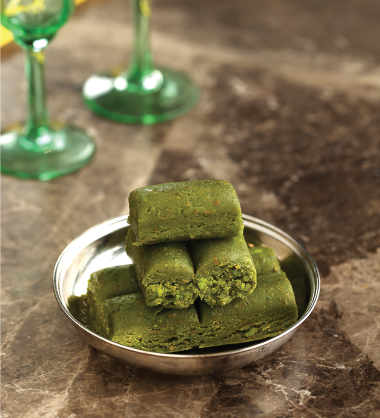
EU Registered


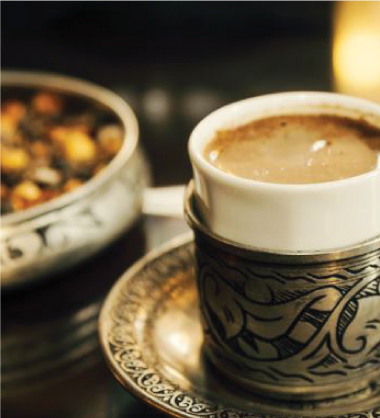
EU Registered

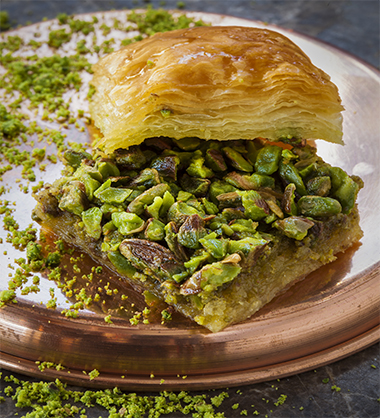
EU Registered
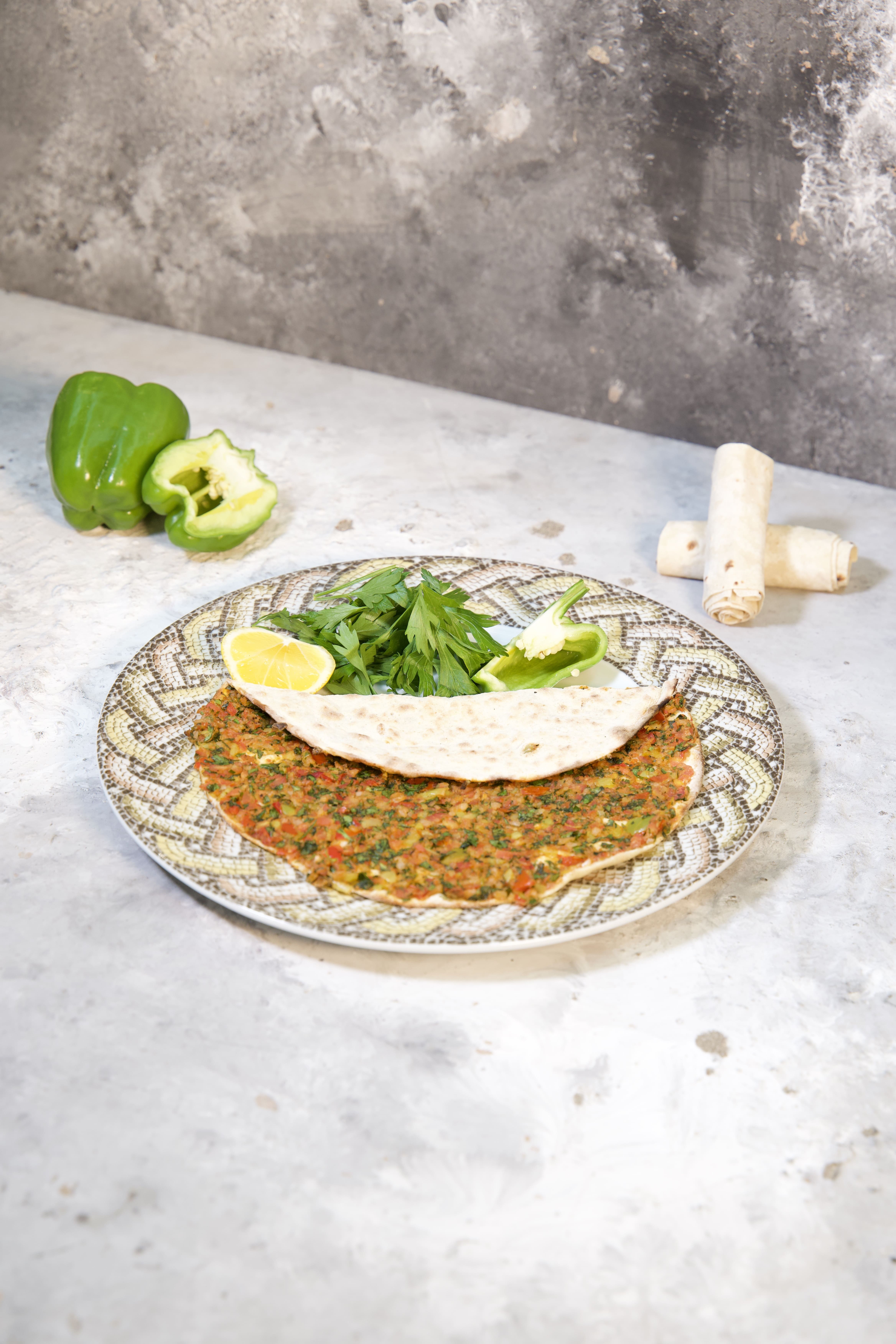
EU Registered
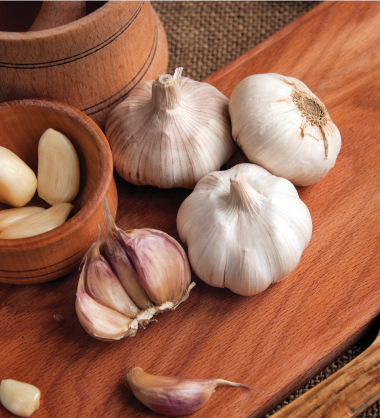
EU Registered
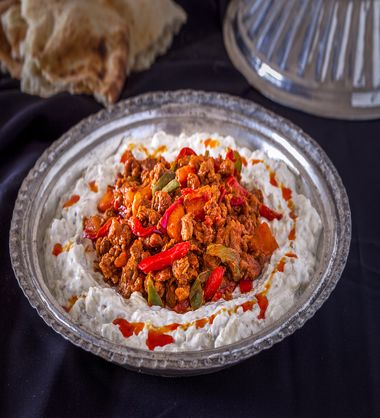
Regional Delicacies
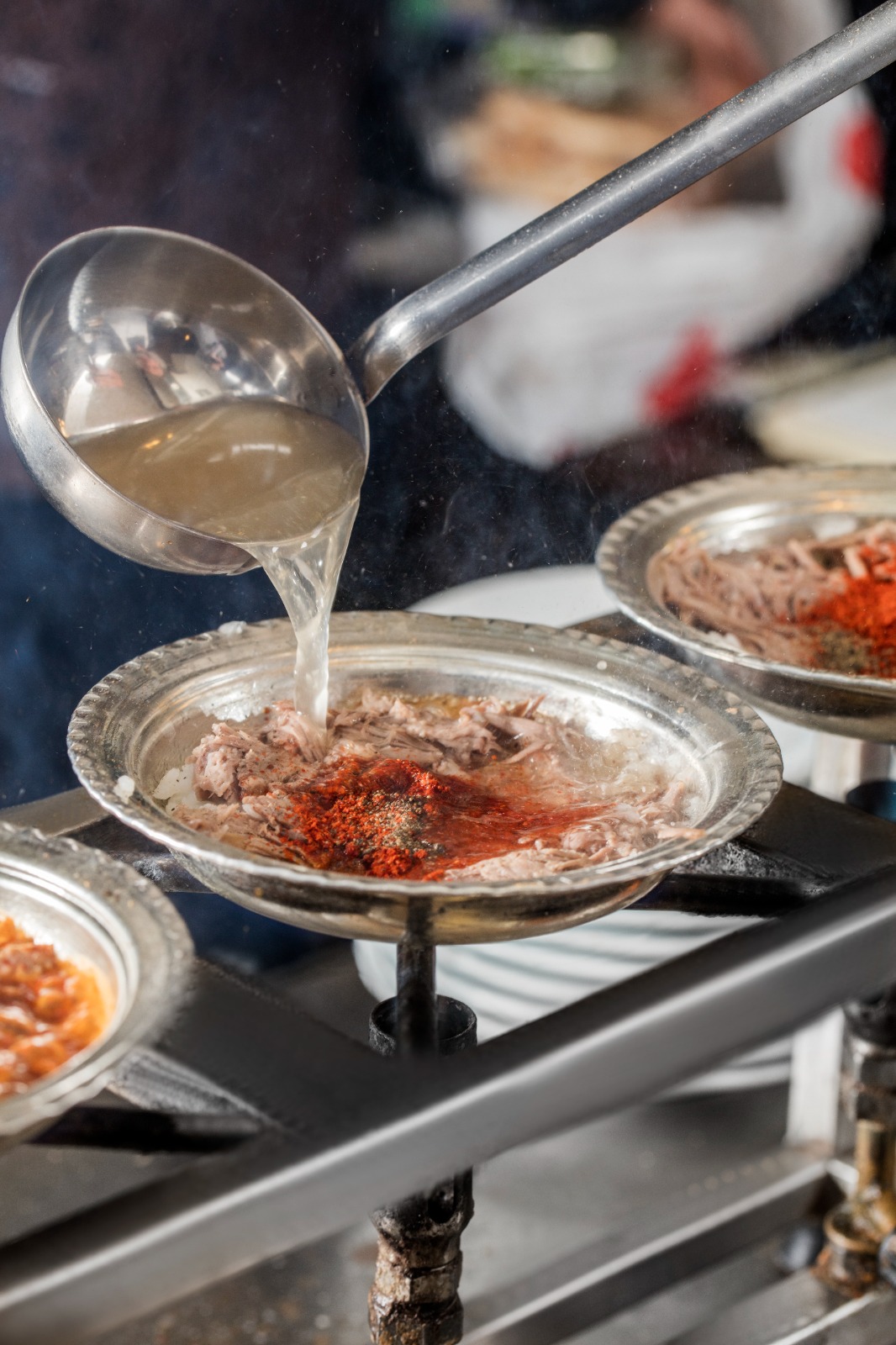
Regional Delicacies
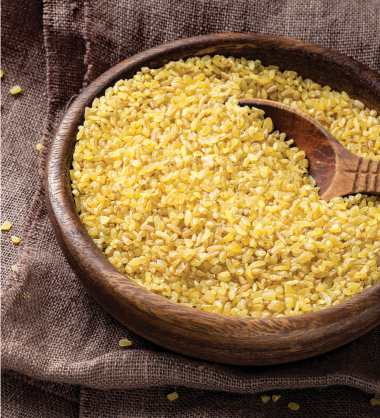
Regional Delicacies
Gastronomy Discovery
All Routes
Smart Taste Routes
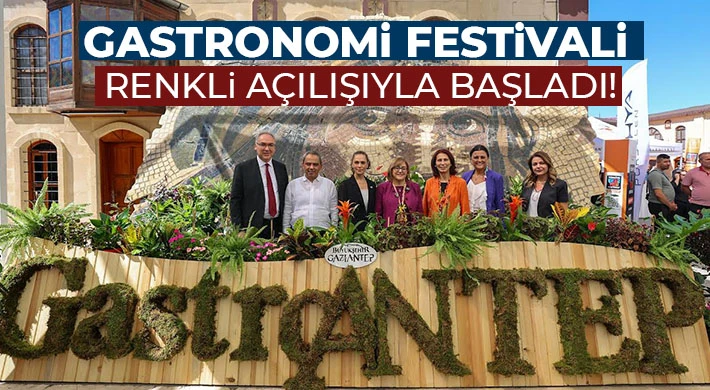
1 day
The Story of Craft
View All
Where to Eat
Şehitkamil
Acıoğlu Yemek İkram ve Organizasyon
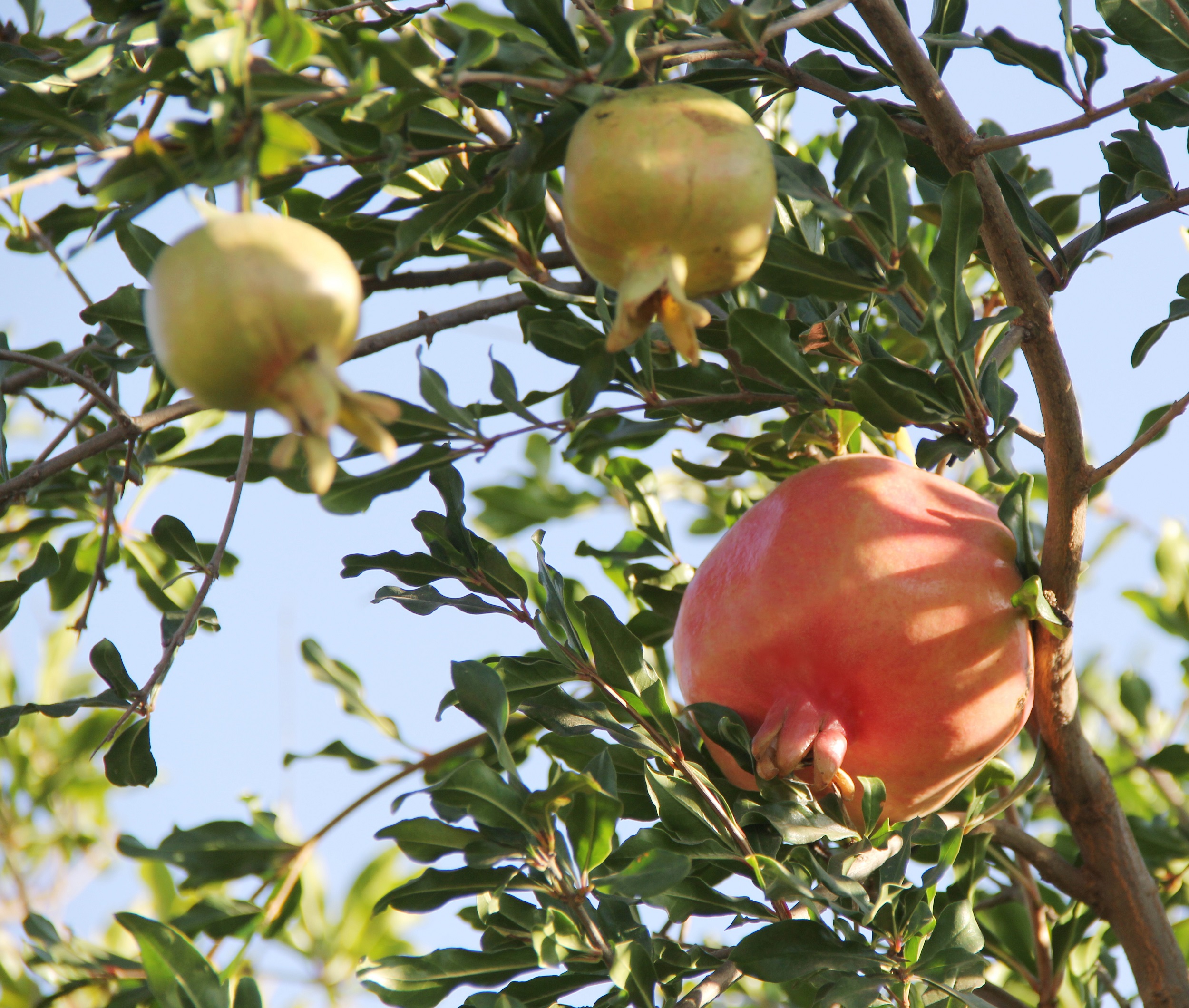
Oğuzeli
Ahmet Yılmaz
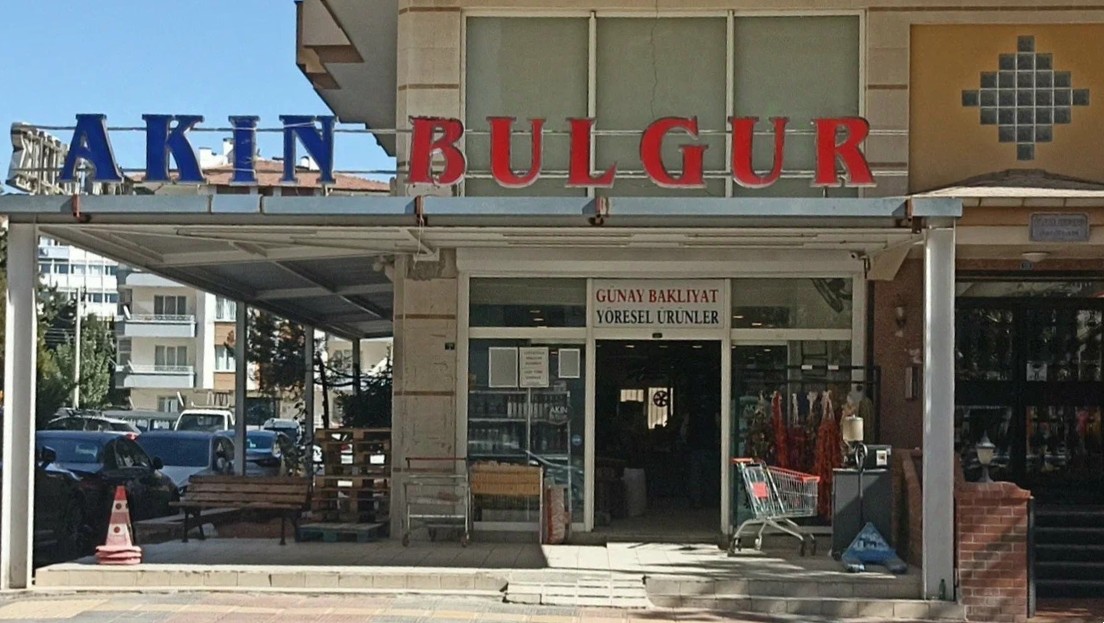
Şehitkamil
Akın Bulgur
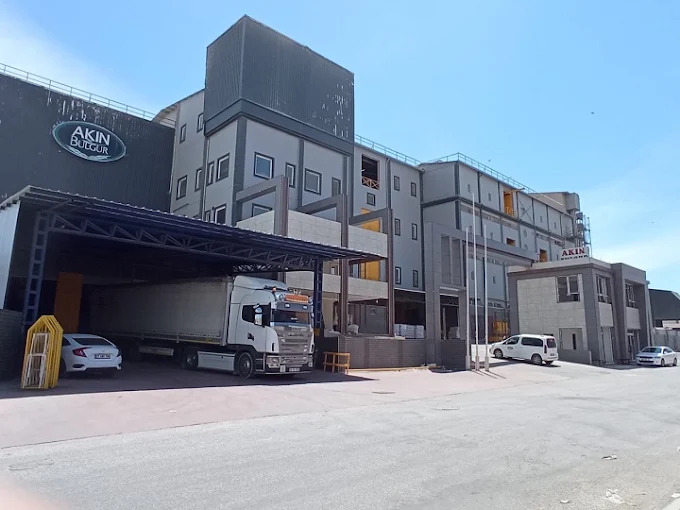
Şehitkamil
Akın Bulgur
Calendar
All Events
Upcoming Events and Festivals
There are no upcoming events at the moment.
Announcements
All News
Latest News
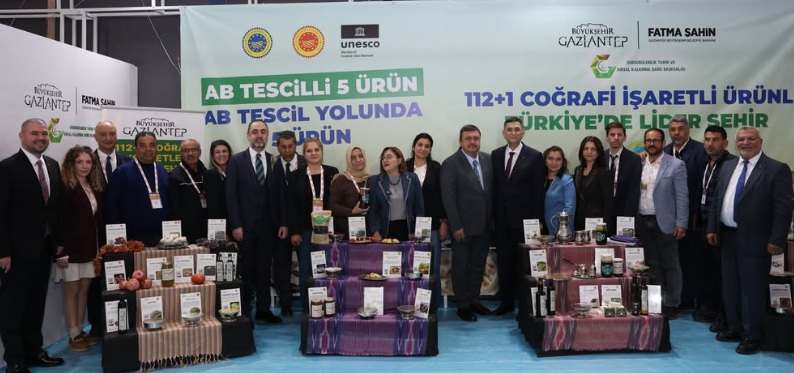
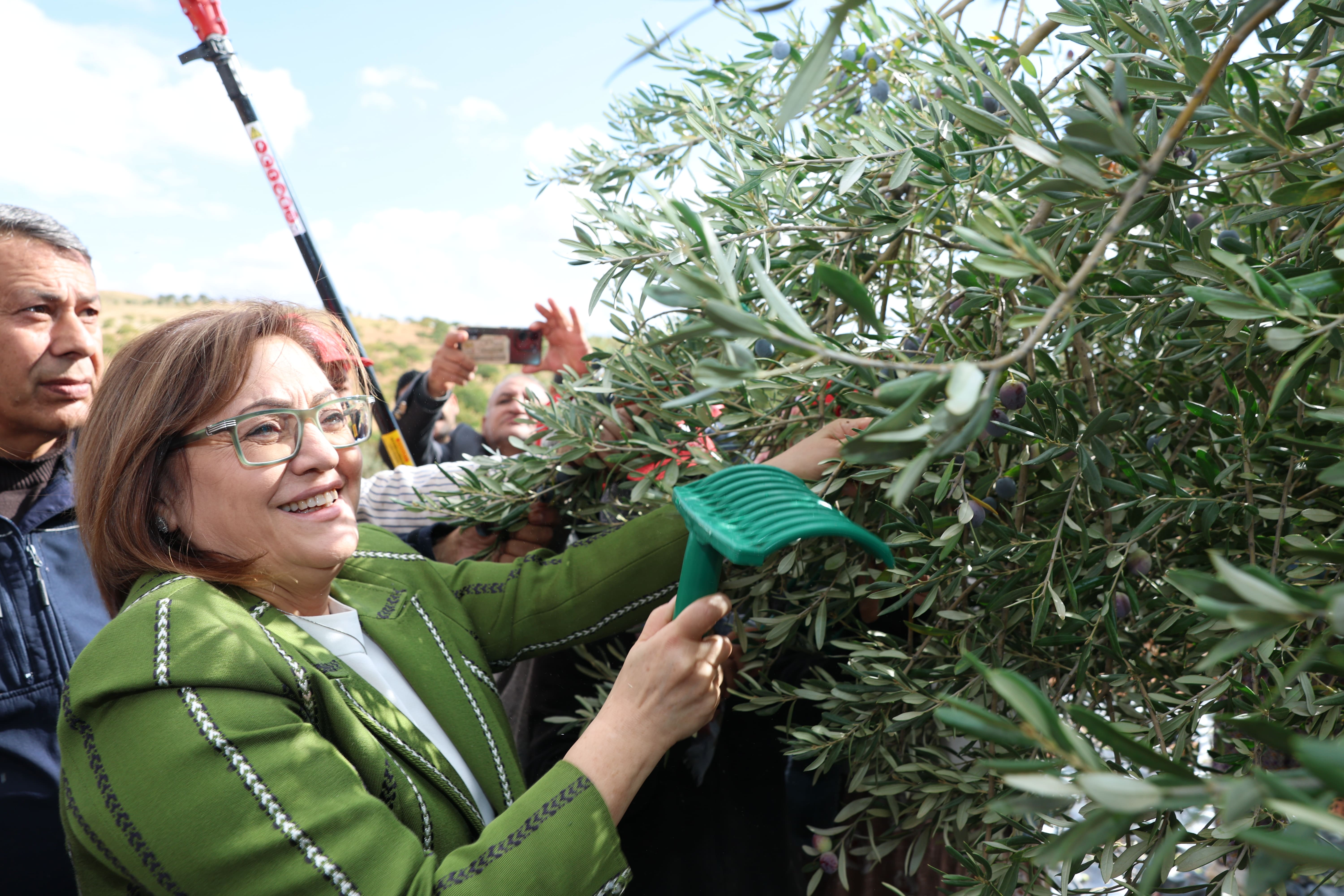
How Can We Help You?
Choose one of the frequently asked questions
Hello! Pick one of the questions below to quickly learn about Gaziantep's geographical indication products, taste routes, producers and events.
This is a frequently asked questions assistant. For help with anything else, you can use the contact form.